EN
EN
 AR
AR BG
BG HR
HR CS
CS DA
DA NL
NL FI
FI FR
FR DE
DE EL
EL IT
IT JA
JA KO
KO NO
NO PL
PL PT
PT RO
RO RU
RU ES
ES SV
SV CA
CA TL
TL IW
IW ID
ID LV
LV LT
LT SR
SR SK
SK SL
SL VI
VI SQ
SQ HU
HU MT
MT TH
TH TR
TR FA
FA AF
AF MS
MS GA
GA BE
BE AZ
AZ KA
KA MN
MN KK
KK UZ
UZ
Choosing the Right Laboratory Centrifuge for Your Lab
Choose a Laboratory Centrifuge that Suits Your Needs. When finding the right laboratory centrifuge, it is important to assess your available lab space, power supply and rotor requirements. In my role as professional in the industrial manufacturing industry, I have met with many centrifuges and helped them select useful models to meet their specific lab needs. For my readers need help, I will offer some here is valuable information on how to choose the best laboratory Centrifuges for your individual research and laboratory needs. The features we look at our understanding standard test tube options including blanks; considerations prior to purchase regarding specific testing applications; performance promise that this product makes. Let's get down to this important subject, and how you can decide whether your lab needs one.

What You Should Seek When Purchasing a Lab Centrifuge
In choosing a laboratory centrifuge, one of the most important factors in your decision should be which features will best serve the needs of your laboratory. Key features you should pay attention to are maximum speed and capacity of the centrifuge, type(s) of rotor (and tubes for each rotor), programmability and even use, no-lid locks for cover system, imbalance detector, and how loud the instrument is while running. Moreover, one should also pay attention to the general construction of the centrifuge and whether it is durable enough for long-lasting use in your laboratory.
Advantages of a Good Quality Centrifuge in your Lab
There are several advantages of investing in a good centrifuge for your lab. An accurate and reliable centrifuge guarantees consistent and repeatable results, streamlines sample processing and alleviate contamination hazards – all while increasing the overall productivity of your lab. Additionally, a good centrifuge may provide more options and flexibility to process different sample sizes and types. By opting for a trusted name such as Hunan Michael Laboratory Instrument, you can be sure that your lab will have access to the latest technology and advancements like our new centrifuge model.
Student Activities to Publish the Best Science Project on How Yeast Works in Making Bread
Below I outline a few of the most common mistakes that should be avoided when choosing your next lab centrifuge . It is important to evaluate the requirements of your laboratory and compare them with the characteristics and properties of a centrifuge so you will be able to capitalize on its performance. Also, you will have bypassed essential safety features and sacrificed the quality of those that contain them which may cause issues down the line. It would be a disservice not to seek advice and recommendations from experts or professionals in the industry who can offer you some valuable insight prior to making your decision.
What Types of Centrifuges Are Available for Sale?
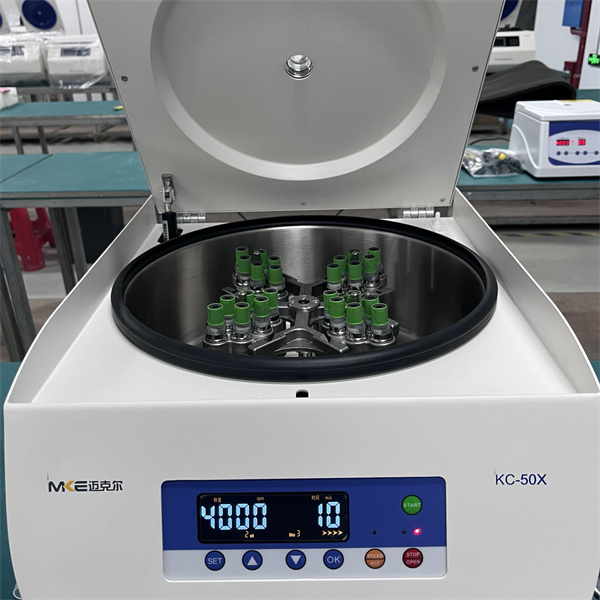
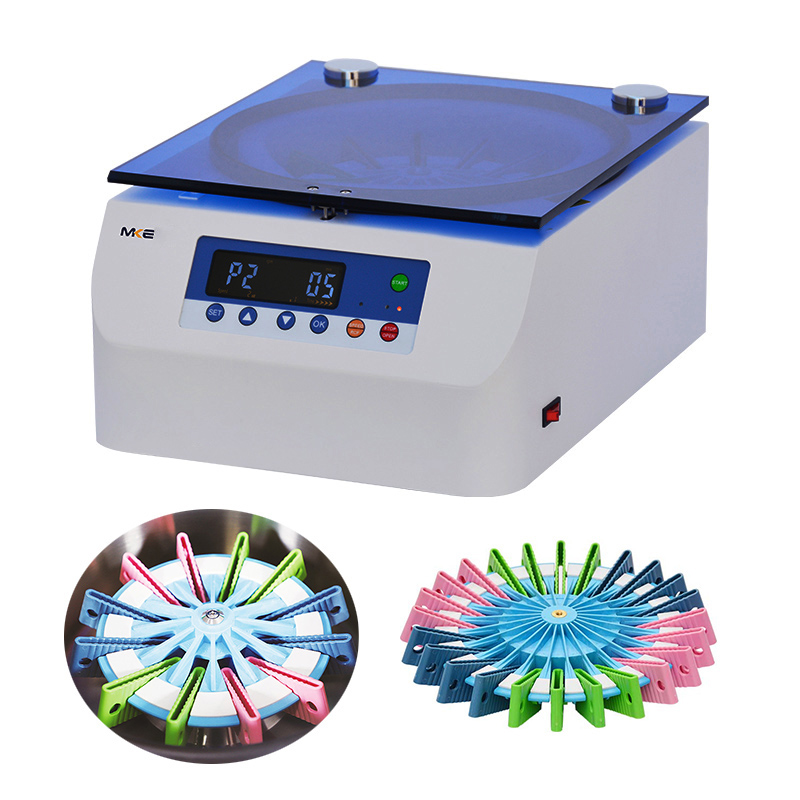
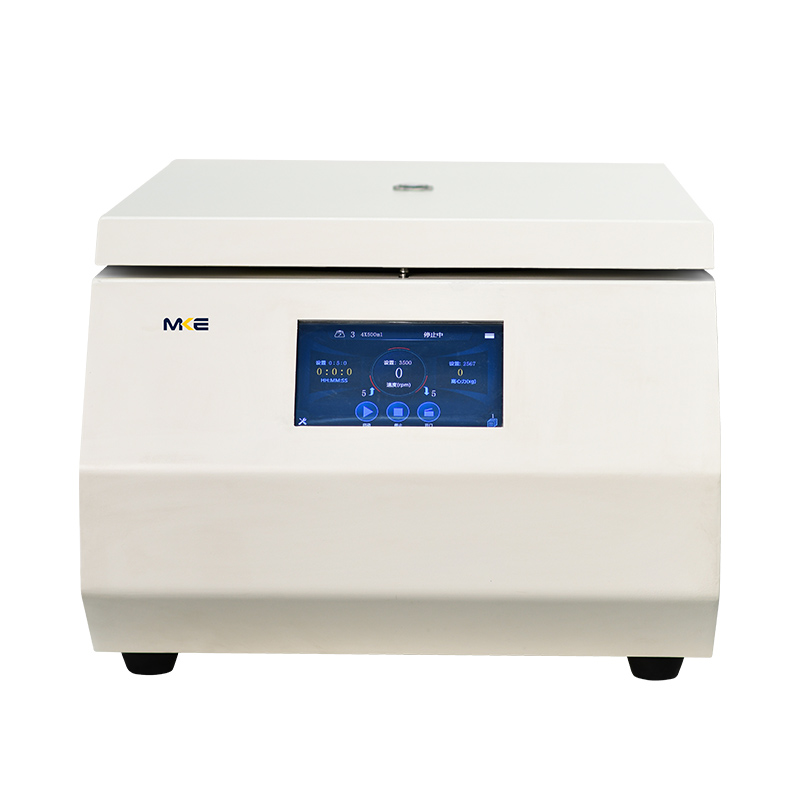
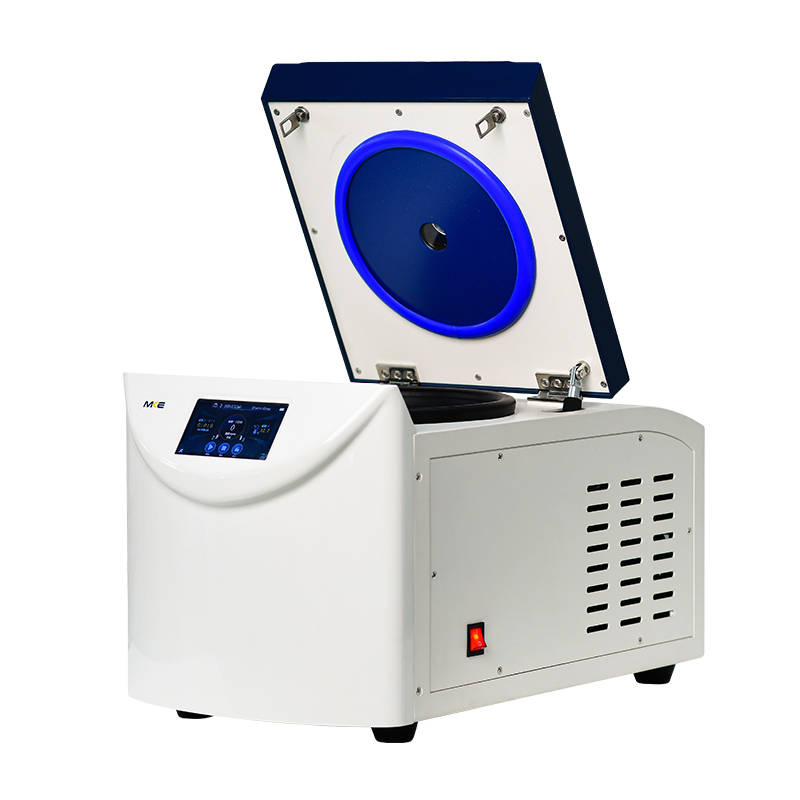
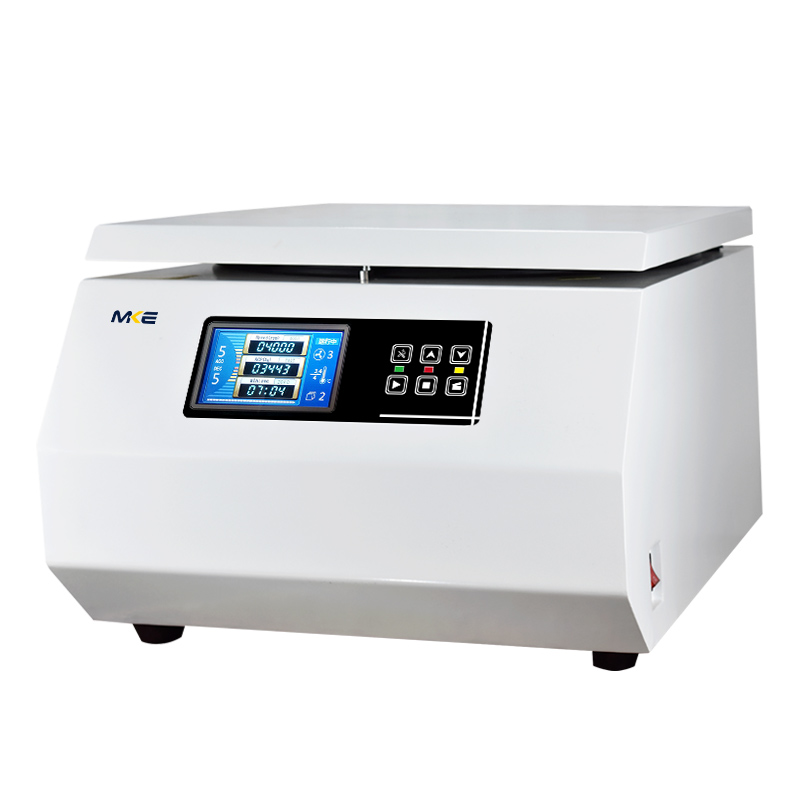
Since centrifuges come in various types, and are also manufactured to meet specific applications and sample types. Types Some general categories of centrifuges include microcentrifuges, refrigerated centrifuges, and ultracentrifuges, which by definition create rotational fields at 10 4 to 10 5 g. Adding to this are clinical centrifuges that are multifunctional and blood separation, benchtop centrifuges that frequently take part in general laboratory applications and the floor model units with bigger capacity. This is evident since the best choice of centrifuge depends on your laboratory's particular needs.
Table of Contents
MKE is a manufacturer of centrifuges for laboratory, medical treatment, blood bank, life sciences, research, biotechnology, pharmaceutical, food safety, environment analysis, animal husbandry, and other sectors.