EN
EN
 AR
AR BG
BG HR
HR CS
CS DA
DA NL
NL FI
FI FR
FR DE
DE EL
EL IT
IT JA
JA KO
KO NO
NO PL
PL PT
PT RO
RO RU
RU ES
ES SV
SV CA
CA TL
TL IW
IW ID
ID LV
LV LT
LT SR
SR SK
SK SL
SL VI
VI SQ
SQ HU
HU MT
MT TH
TH TR
TR FA
FA AF
AF MS
MS GA
GA BE
BE AZ
AZ KA
KA MN
MN KK
KK UZ
UZ
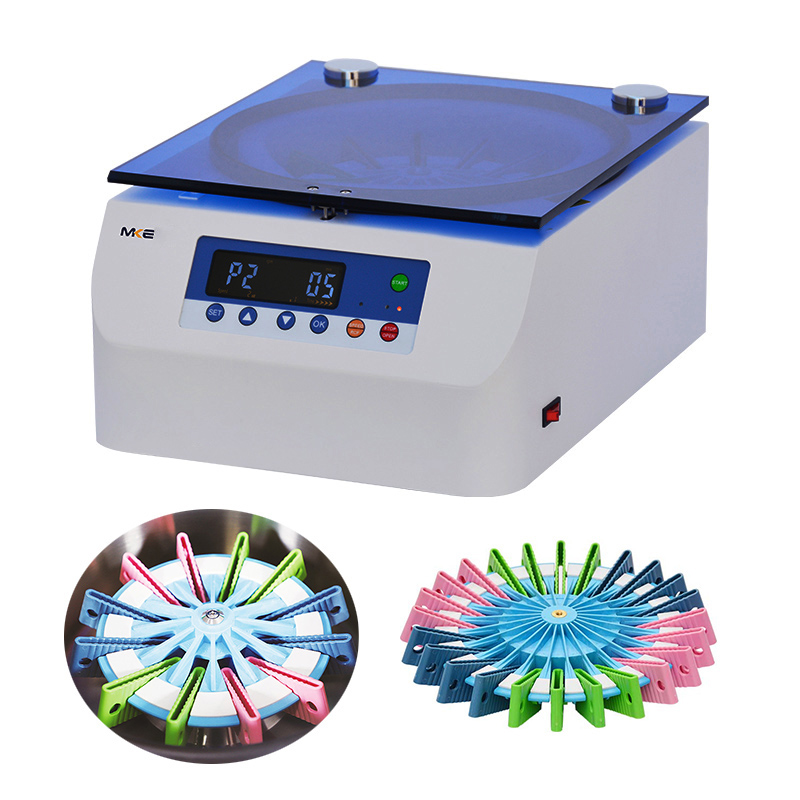
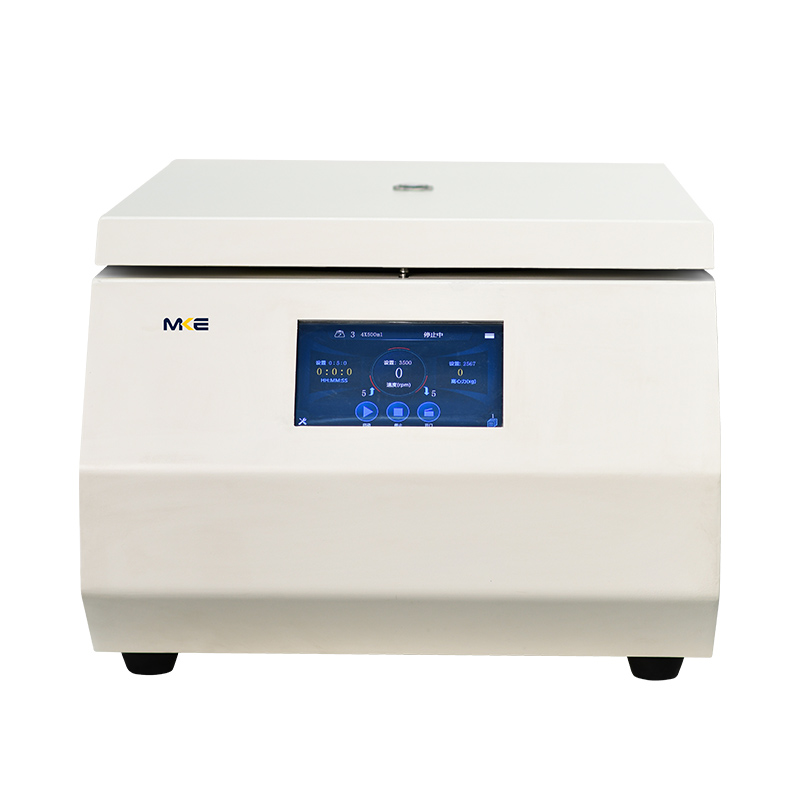
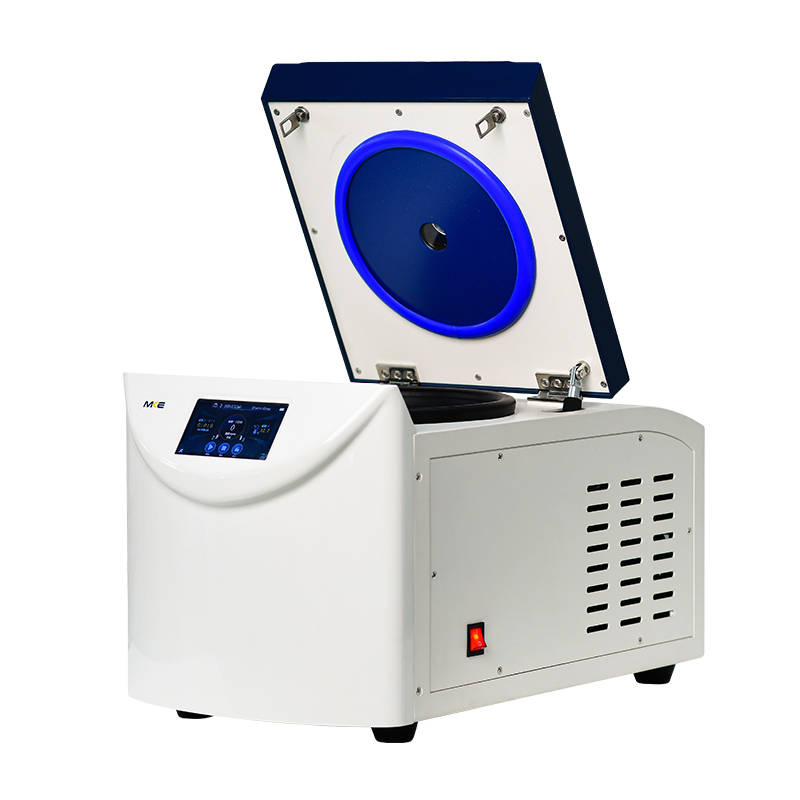
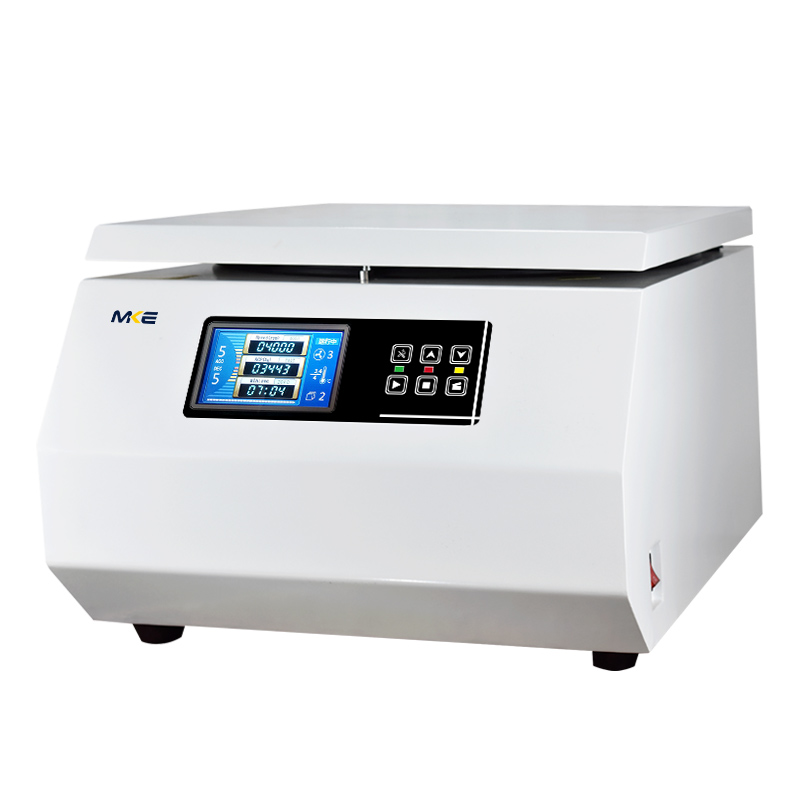
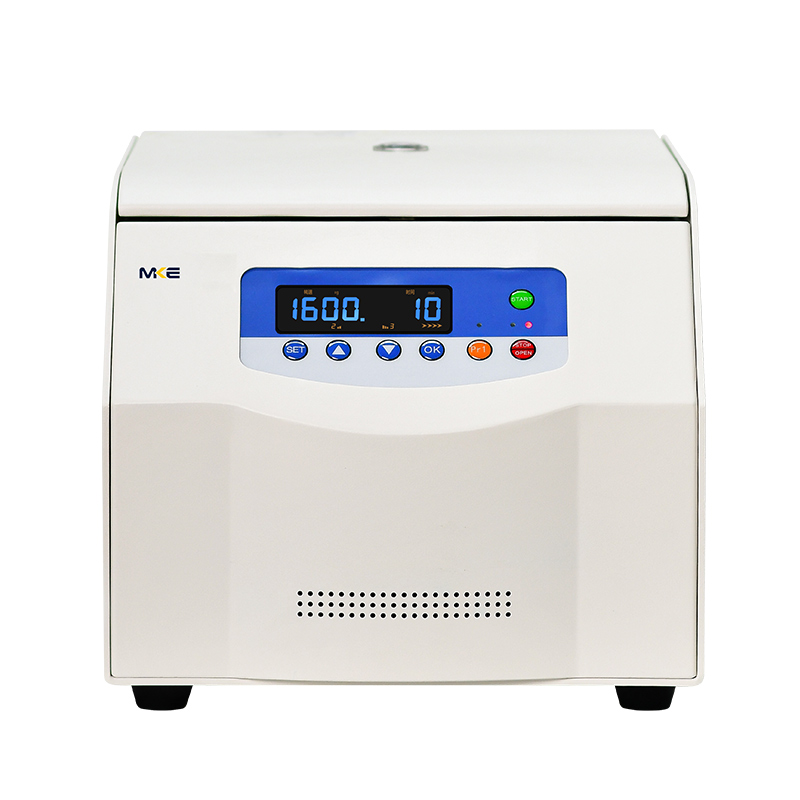
Blood centrifuges are really wonderful machines that scientists use to separate blood components. The machines spin Blood Centrifuges at very high speeds, thereby forcing the densest elements to the bottom of the inside of the tube, leaving less dense elements of blood towards the top. Magical, isn't it?
The Process by Which Blood Centrifuges Operate:
Here, these blood centrifuges have a rotor that spins very fast. Vertically positioned in the centrifuge, the blood sample begins to face forces that shove the denser blood components-red blood cells and platelets down to the bottom of the tube, whereas the lighter ones go up toward the free surface. So the scientists can study the different parts of blood easily.
How to look for the right Centrifuge:
Blood centrifuge types depend on the choice you want. First, you need to check the size of your lab to determine the space available for the centrifuge. There is a consideration also of selecting whether to use the centrifuge for single or multiple sample processing at any one time. So for your lab, use the one best suited.
Important tips for collecting and centrifuging blood samples:
The first stage before spinning down the Blood Centrifuges samples in a centrifuge is to prepare the samples correctly. Collect blood in the proper tube for centrifugation. After recording each tube with the patient's identity, balancing the tubes in the centrifuge before the spin so that they do not wobble is also important. Also, adhere to the manufacturer's instructions regarding speed and time settings.
Centrifuged Blood Sample:
After spinning down your blood samples, the next step is to interpret the results. The top-most layer in the tube is plasma, a clear yellowish liquid portion of blood; the second layer, made of white blood cells and platelets; while red blood cells occupy the lowest part of the tube. In-depth analysis of the various layers will enable scientists to correlate results with findings on a patient's health.
Trouble shooting common blood centrifuge problems:
Sometimes things just go wrong with blood centrifuges. Samples that do not centrifuge properly can point to problems caused by tubes that are out of balance or problems with the rotor. Please check that your centrifuge settings are correct and that you are following the guidelines for sample preparation accordingly. Do not hesitate to reach out for help from the manufacturer if stuck.
To sum up, Blood Centrifuges is wonderful equipment that allows researches to investigate the various integral constituents of blood. When one knows how to correctly operate the centrifuge, how to choose the best one for one's laboratory, the proper preparation of blood samples and analysis of results along with troubleshooting common problems, one is more than halfway to perfecting his/her art of blood centrifugation! Happy spinning!
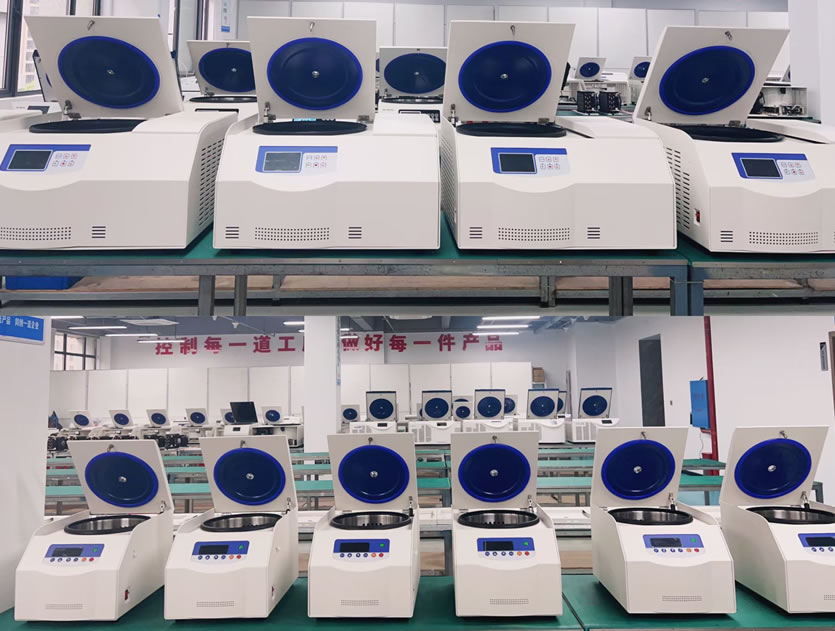
MKE is a manufacturer of centrifuges for laboratory, medical treatment, blood bank, life sciences, research, biotechnology, pharmaceutical, food safety, environment analysis, animal husbandry, and other sectors.