EN
EN
 AR
AR BG
BG HR
HR CS
CS DA
DA NL
NL FI
FI FR
FR DE
DE EL
EL IT
IT JA
JA KO
KO NO
NO PL
PL PT
PT RO
RO RU
RU ES
ES SV
SV CA
CA TL
TL IW
IW ID
ID LV
LV LT
LT SR
SR SK
SK SL
SL VI
VI SQ
SQ HU
HU MT
MT TH
TH TR
TR FA
FA AF
AF MS
MS GA
GA BE
BE AZ
AZ KA
KA MN
MN KK
KK UZ
UZ
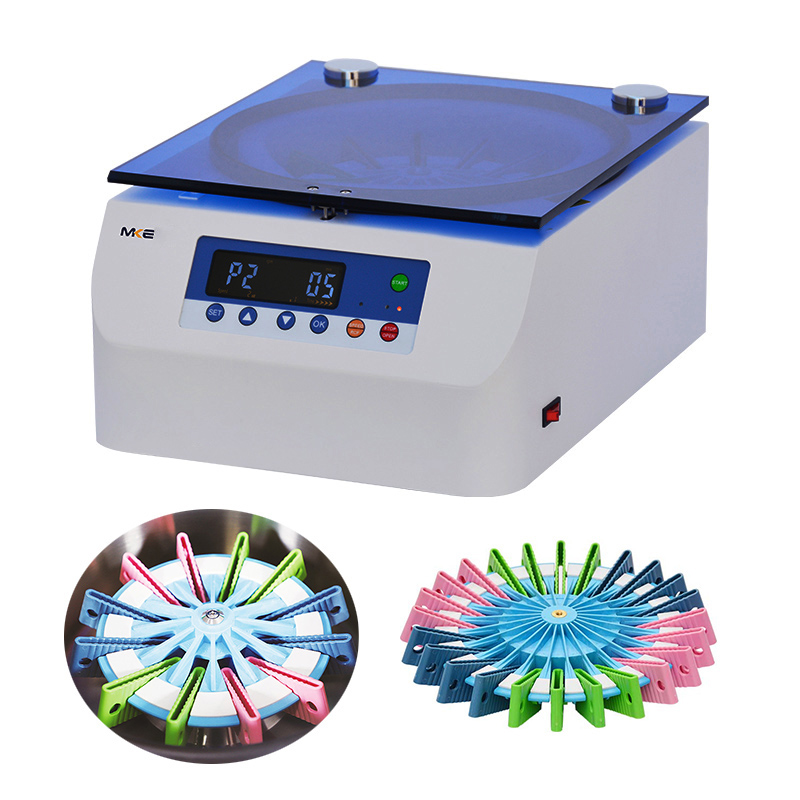
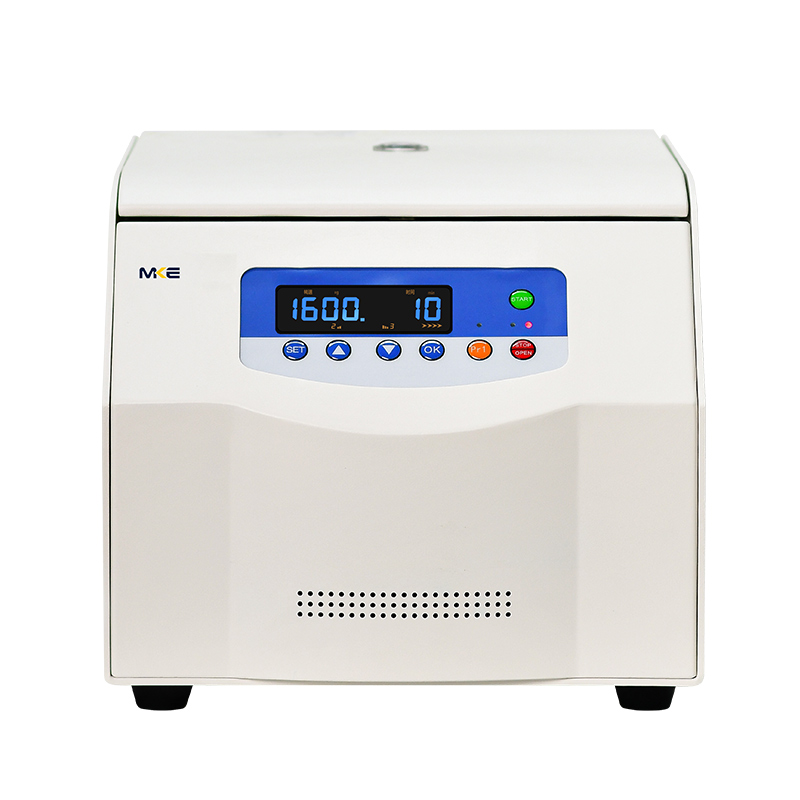
Centrifuges are major laboratory instruments for separating liquids with different densities. Their use is very prominent in health-care establishments with their important contributions to diagnosis and research; this article presents an overview of everything one ought to know about Clinical Centrifuge .
What is a clinical centrifuge?
This is a class of centrifuge that spins samples at higher velocities to separate their component fractions according to density. This phenomenon is termed centrifugation. Centrifugation exerts centrifugal force: the heavier particles sink to the bottom of the test tube, whereas the lighter particles are retained above. This allows the segregation of materials for further study.
Centrifuges- types and uses in health.
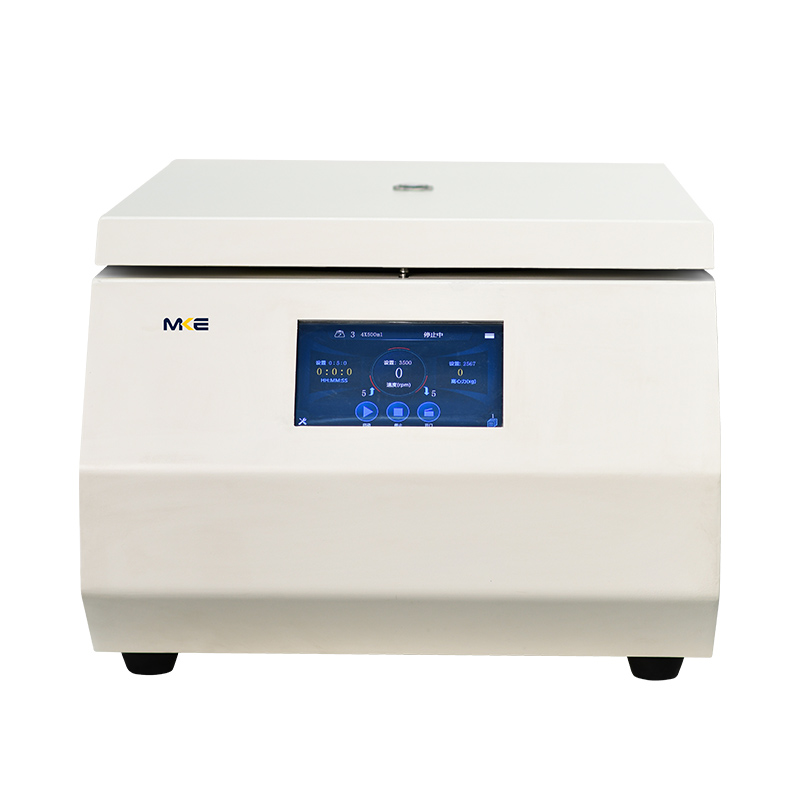
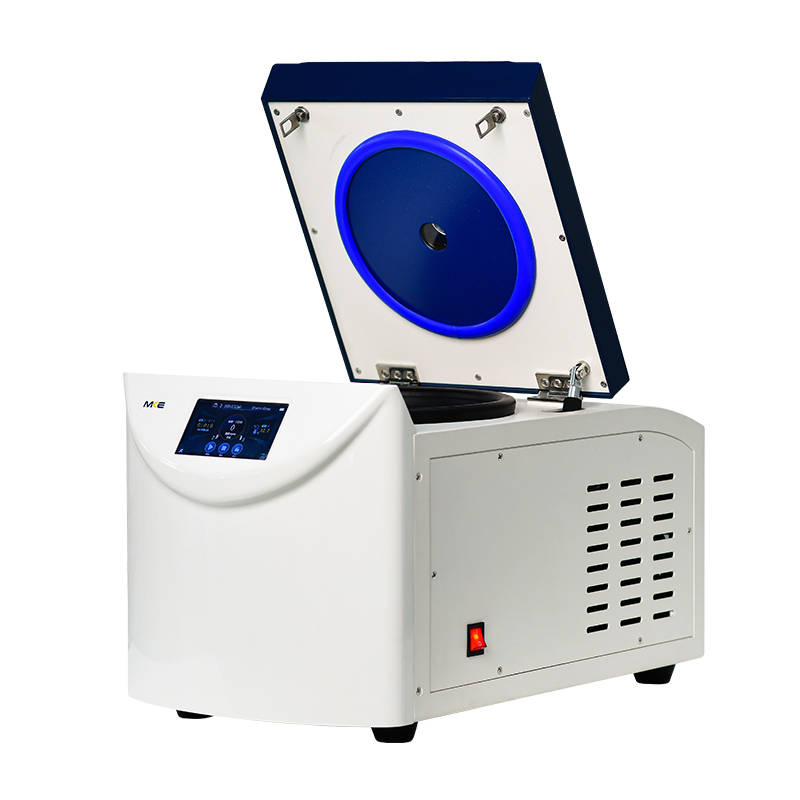
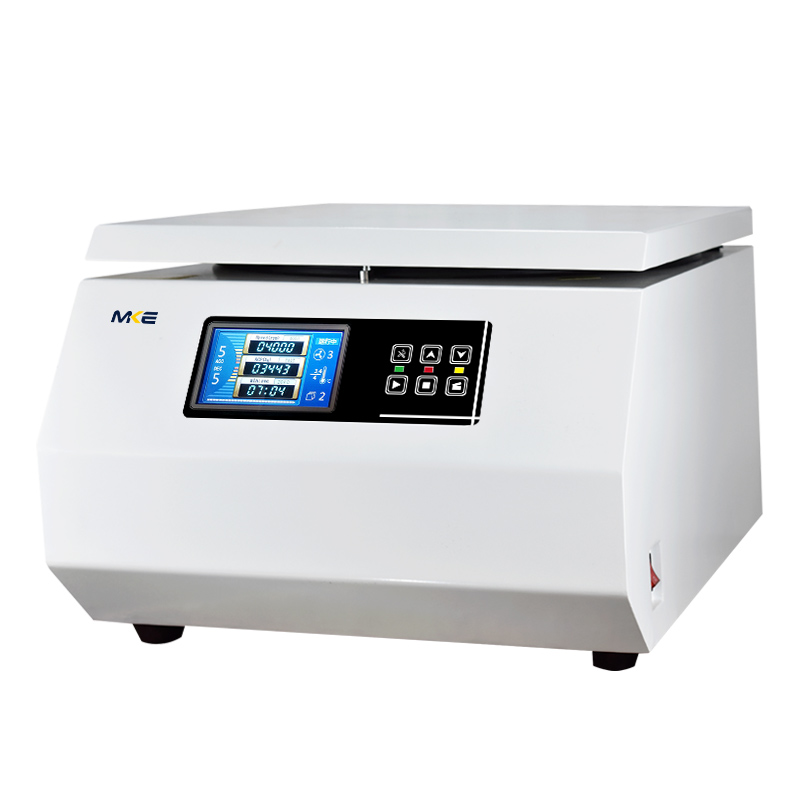
Clinical centrifuges come in various types such as microcentrifuges, bench-top centrifuges, and floor (standing) centrifuges. Microcentrifuges are used to process small volumes of samples, whereas large and medium volumes are processed by bench and floor stiff centrifuges. These centrifuges can also be found in the medical field, used for the separation of blood components with content, i.e., DNA or proteins.
Clinical centrifuge- Use and Care.
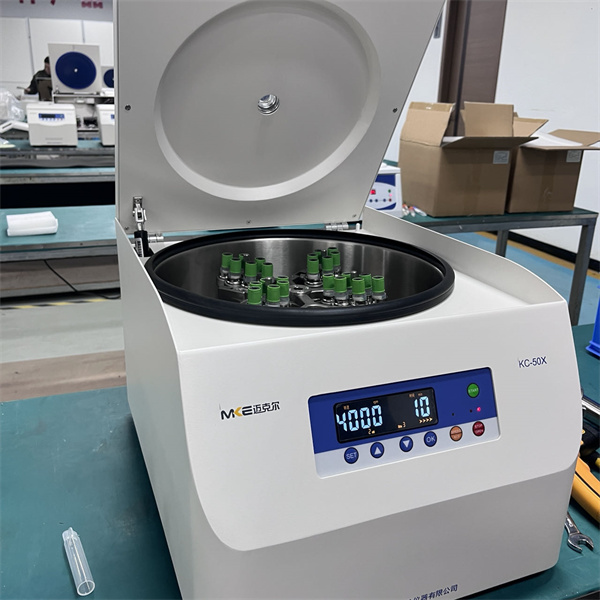
Samples should be balanced in the Clinical Centrifuge in order to prevent excessive vibration during processing. The samples should be positioned diametrically in the rotor for the sake of balance. Another requirement is correct centrifuge speed and time to yield accurate results. Other routine maintenance such as rotor cleaning and monitoring of wear and tear are very important for the longevity of the centrifuge.
Importance of Clinical Centrifuges in Diagnostic and Research Laboratories.
Clinical centrifuges are an indispensable piece of equipment in clinical and research laboratories. They are widely used in the preparation of blood products for analysis using tests such as complete blood count (CBC) and blood chemistry analysis. Centrifuge-another equipment available in any laboratory with special consideration in clinical laboratory-is for the physical isolation and separation of liquid components that are less dense (such as DNA...analogue) from liquid of higher densities. Quite a number of experiments and analyses could not have been accomplished without clinical centrifuges.
Safety notes on clinical centrifuges.
When using clinical centrifuges, accidents can happen, which means that an appropriate approach has to be considered. Use appropriate protective attire PPE-goggles and gloves when handling samples. Take into account the volume capacity of the centrifuge, and do not overload it. Also, do not open the lid of the centrifuge when in motion, in order to avoid accidents or spillage. These safety precautions will ensure a positive working environment in the laboratory.
In summary, Clinical Centrifuge are instrumental equipment in a health care setting used to separate liquid samples based on their density. An overview of the different types of centrifuge machines, their best practices of operating and maintaining, along with safety measures, certainly leads to better accuracy and efficiency in routine laboratory works. Hunan Michael Laboratory Instrument1 offers high-quality clinical centrifuges that light up your life in the lab.
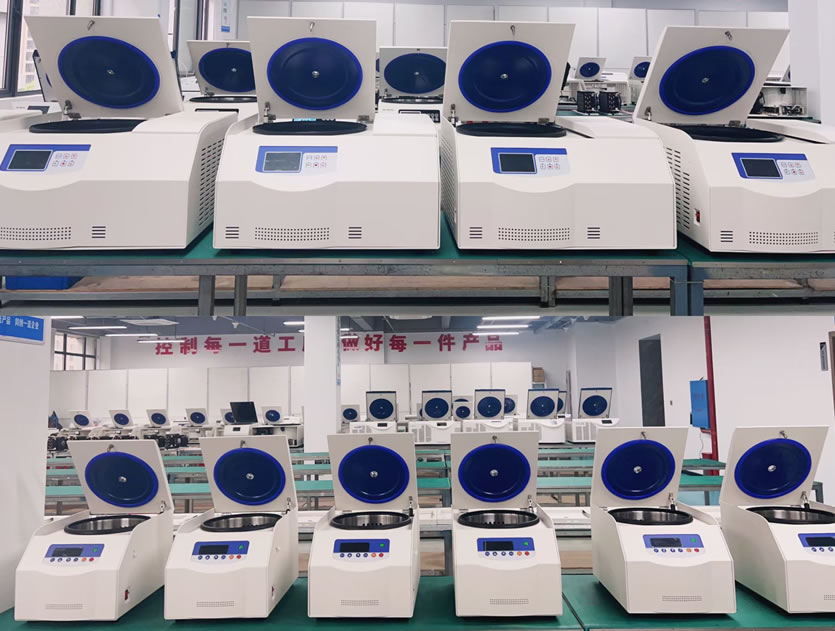
MKE is a manufacturer of centrifuges for laboratory, medical treatment, blood bank, life sciences, research, biotechnology, pharmaceutical, food safety, environment analysis, animal husbandry, and other sectors.