EN
EN
 AR
AR BG
BG HR
HR CS
CS DA
DA NL
NL FI
FI FR
FR DE
DE EL
EL IT
IT JA
JA KO
KO NO
NO PL
PL PT
PT RO
RO RU
RU ES
ES SV
SV CA
CA TL
TL IW
IW ID
ID LV
LV LT
LT SR
SR SK
SK SL
SL VI
VI SQ
SQ HU
HU MT
MT TH
TH TR
TR FA
FA AF
AF MS
MS GA
GA BE
BE AZ
AZ KA
KA MN
MN KK
KK UZ
UZ
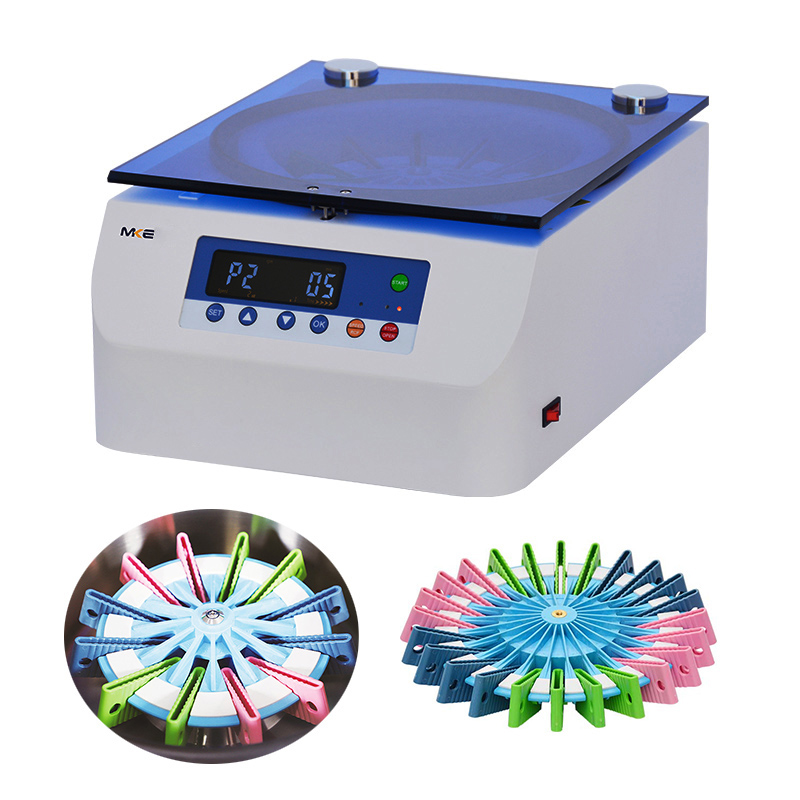
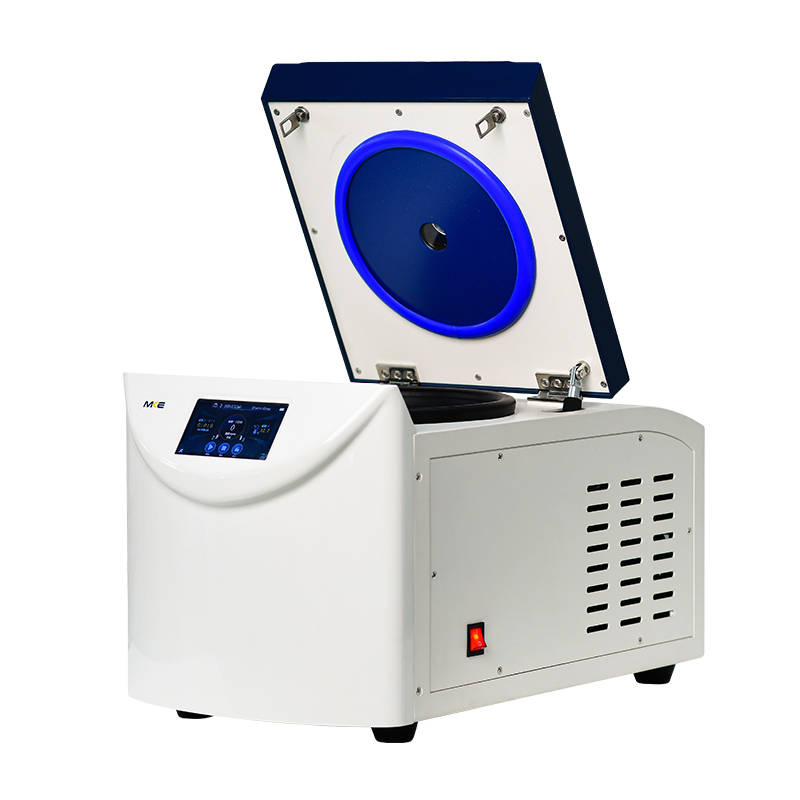
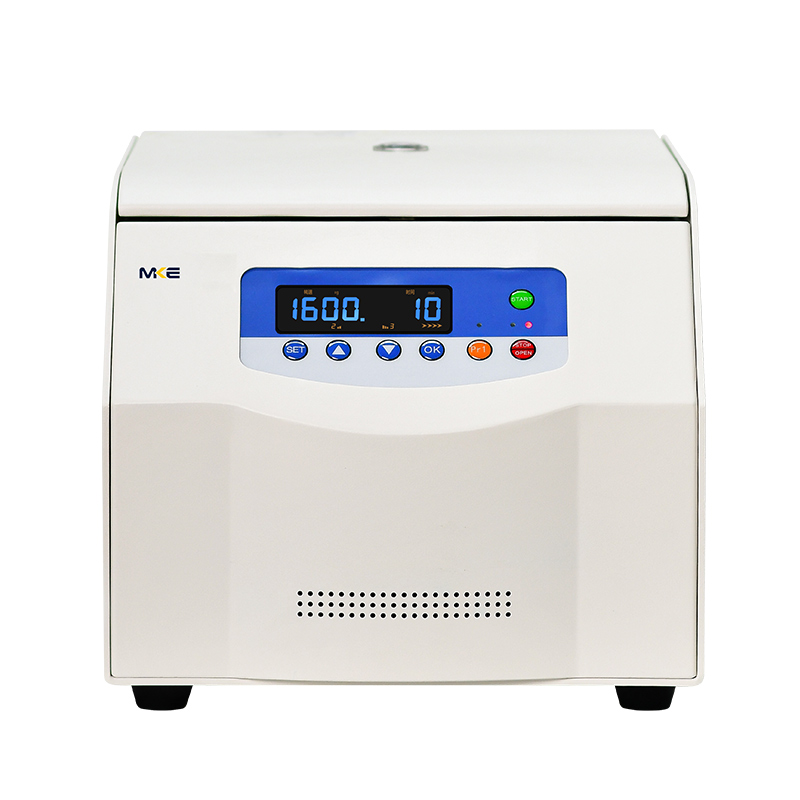
Considerably necessary to exercise caution on the part of users operating a Hematocrit centrifuge & capillary centrifuge since certain common errors might otherwise result in accidents or damage. In this article, we will look at Capillary infusion and five operating errors from Hunan Michael Laboratory Instrument.
Overfilling the capillary tubes
One of the errors that commonly occur in using the capillary relates to overfilling diameter tubes. It is crucial to load the tubes only up to that level because overloading can lead the tubes to break or leak during centrifugation. Aside from wasting samples, the rotor of the centrifuge can be ruined and injury to the user is at the minimum possible.
Ignoring balancing technique
Another blunder shared in working with a capillary centrifuge is denying the balancing technique. The balancing of the rotor must be done with great caution to avoid unnecessary wear-and-tear on the centrifuge. When improperly balanced, the rotor could shake or vibrate during operation, which in turn affects test results and may damage equipment.

Failure to secure the rotor lid
Another important Hematocrit centrifuge & capillary centrifuge operating principle is ensuring proper closure of the rotor lid. If the rotor lid is less than tightly closed, it may come off during centrifugation, either spilling samples or unbalancing the rotor. These outcomes create a very inconvenient scenario, still posing some threat to the safety of operators.
Improper speed and time settings should be avoided
Another fault also to be avoided is the setting of improper speeds or times in using the capillary centrifuge. Compliance with manufacturer specifications for speed and time for centrifugation of the various types of samples must be strictly observed. Wrong settings can lead to failure of the separation of the sample or over-centrifuge and damage of samples.
Routine maintenance and cleaning of the centrifuge
Last of all is the item of failing to wash and keep clean the capillary centrifuge. Regular descaling and cleaning maintain the centrifuge in good working condition and minimize the formation of debris or substances that compromise testing. You must have a maintenance plan so that this equipment does not break down.
Precautions to be taken when operating the Hematocrit centrifuge should include avoiding over-filling of the capillary tubes; neglecting cover plate and six-balance matching techniques; failure to seal lid or kind misalignment; and improper setting of the speed parameters or time parameters, along with neglecting non-routine maintenance cleanliness. Familiarity with these pitfalls and observation of correct usage procedures with the equipment are required to ensure consistent and dependable outcomes and to prolong the life of the centrifuge. As always, stay safe and be precise with your lab equipment.
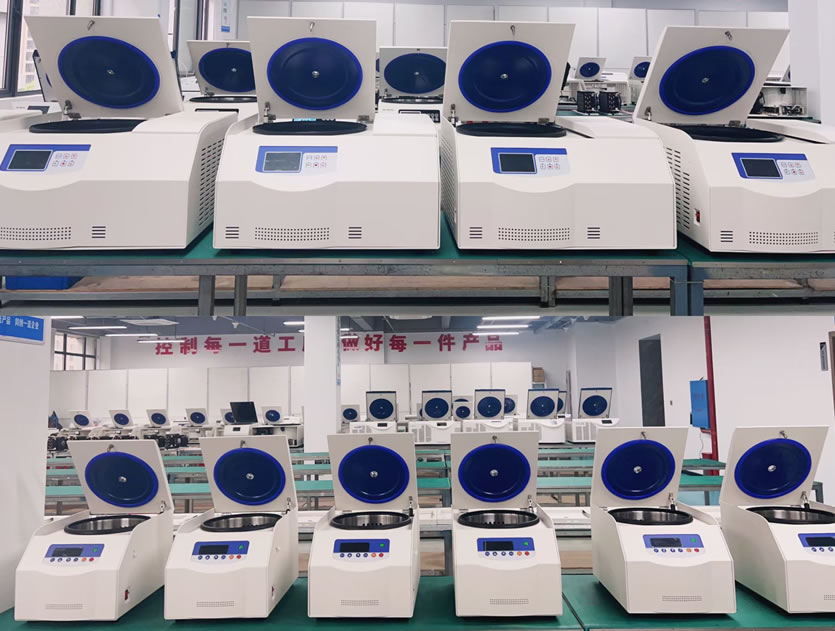
MKE is a manufacturer of centrifuges for laboratory, medical treatment, blood bank, life sciences, research, biotechnology, pharmaceutical, food safety, environment analysis, animal husbandry, and other sectors.