EN
EN
 AR
AR BG
BG HR
HR CS
CS DA
DA NL
NL FI
FI FR
FR DE
DE EL
EL IT
IT JA
JA KO
KO NO
NO PL
PL PT
PT RO
RO RU
RU ES
ES SV
SV CA
CA TL
TL IW
IW ID
ID LV
LV LT
LT SR
SR SK
SK SL
SL VI
VI SQ
SQ HU
HU MT
MT TH
TH TR
TR FA
FA AF
AF MS
MS GA
GA BE
BE AZ
AZ KA
KA MN
MN KK
KK UZ
UZ
Choosing the Ideal Laboratory Centrifuge
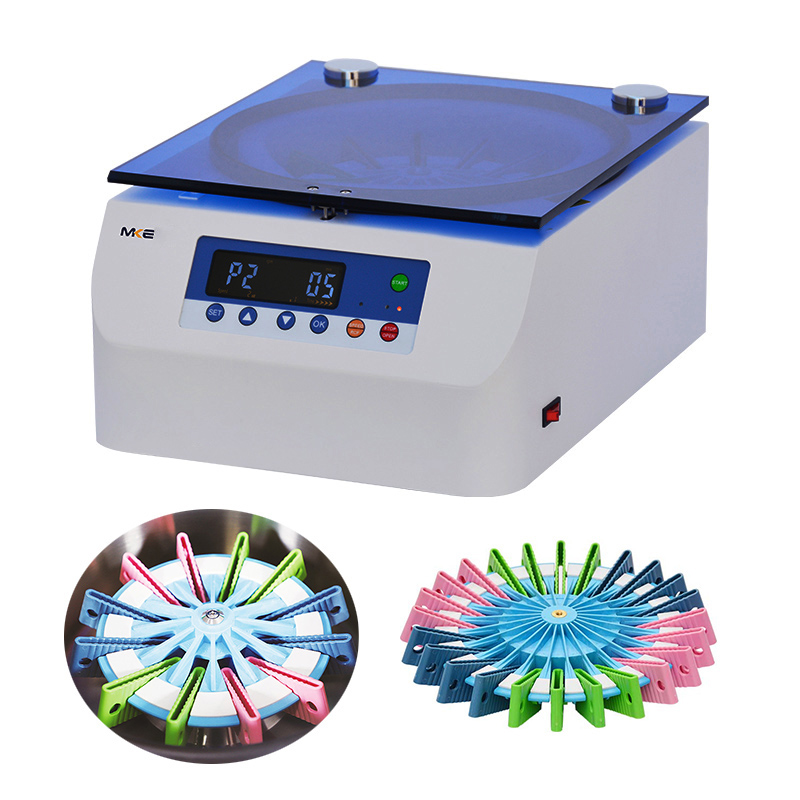
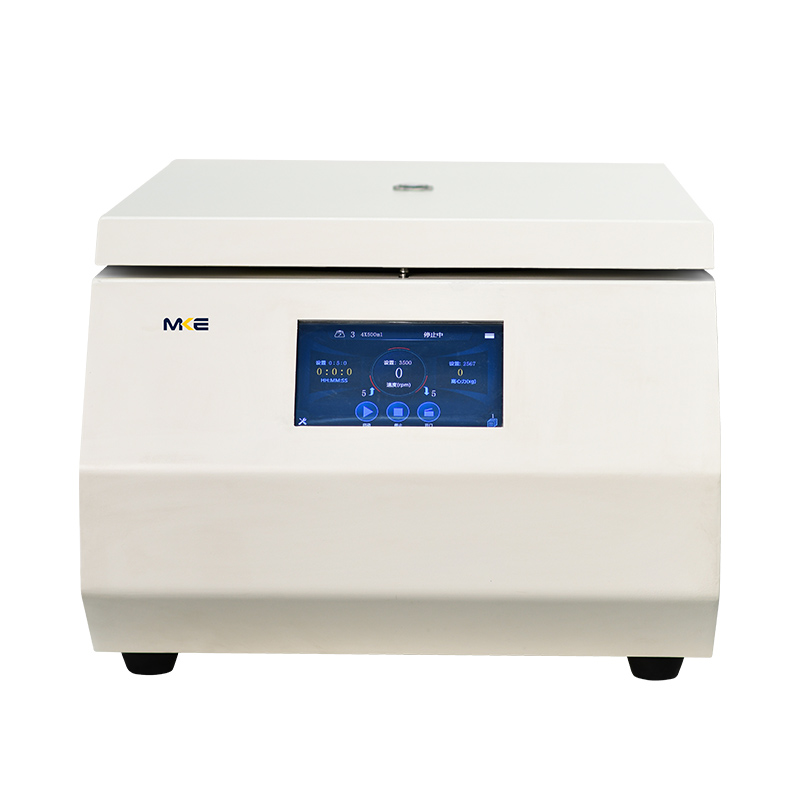
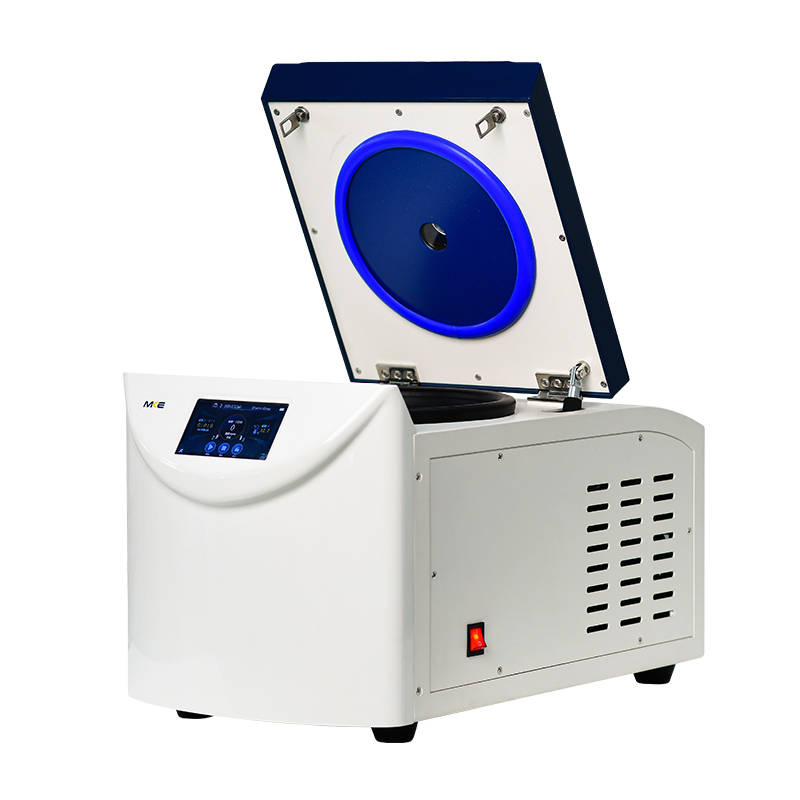
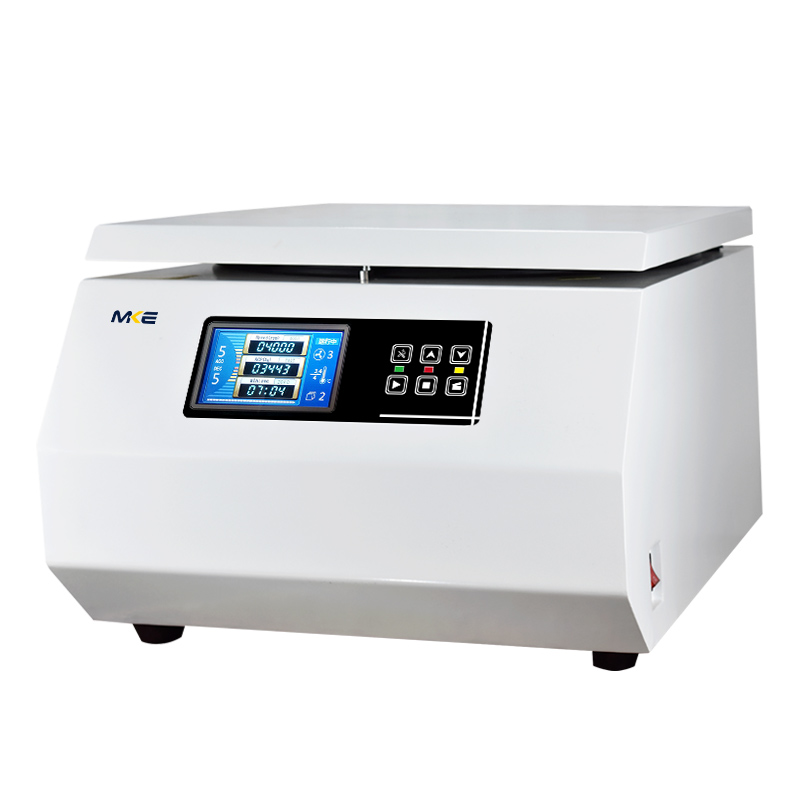
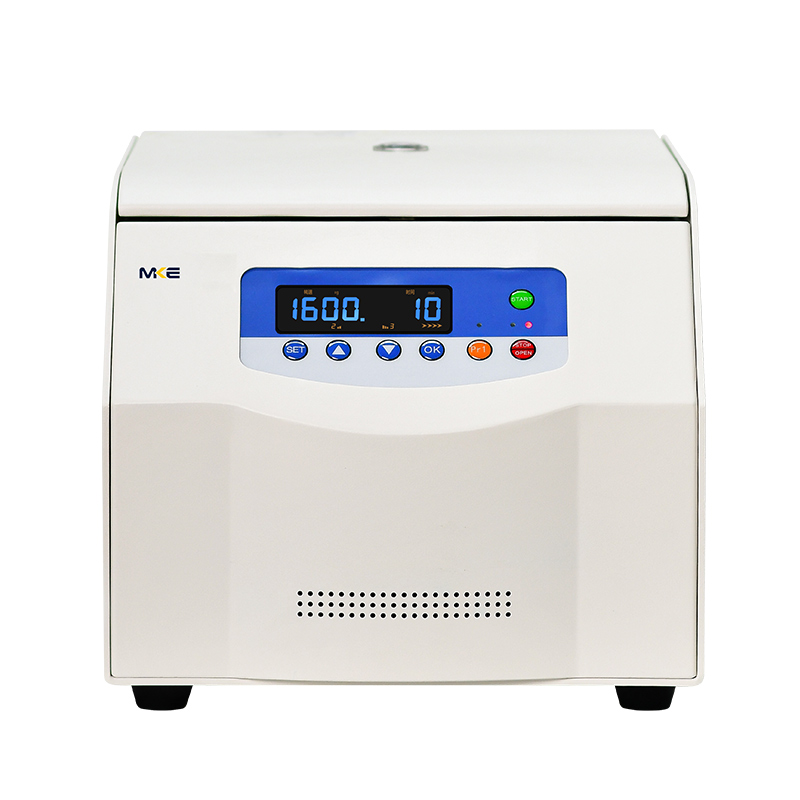
There are various types of lab centrifuges available for sale today. A centrifuge is a device that spins samples at high speeds to separate liquids from solids, or together with other liquids. You'll eliminate errors in all your samples when you use a good centrifuge. I mean that you create a better quality of testing and experiment. Hunan Michael Laboratory centrifuge is one of such good manufacturers that produces standard centrifuges which can facilitate scientists' and researchers' activity to get accurate data. Using the correct process of centrifuge, you can rest assured that your sample will probably be handled properly and thus will receive clear results.
How to Select a Quality Laboratory Centrifuge for Your Sample Preparations?
A laboratory centrifuge is essential equipment commonly found in clinical settings and research laboratories. There are so many factors to consider when buying a quality centrifuge for your laboratory. So the first thing you might check is the centrifuge speed. It is measured in revolutions per minute (RPM). Dialing up the RPM speed can sometimes make it easier to separate samples, but the absolute fastest isn't necessary for every sample. It is important to know the needs of your individual samples. Next, look at the capacity. That's how many samples you can spin simultaneously. For two or more samples, it is convenient to have higher capacity to save time. Consider as well the temperature control. Some samples are sensitive to temperature; therefore, a centrifuge with temperature controls can be beneficial in helping prevent damage. There is also the type of rotor. Some of these are fixed-angle types, and some are swinging bucket. Fixed-angle rotors hold samples at a fixed angle, while buckets in swinging bucket rotors swing outwards as the centrifuge is rotated. This could also affect how well you separate your samples. Additionally, check the safety features. A good centrifuge should have a lockable lid and an imbalance sensor. In other words, if something breaks, the machine will promptly stop in its tracks before anyone gets hurt. And last but not least, consider the brand and its customer service. Hunan Michael Laboratory Instrument is very reliable and provides great support if you have any questions. So, with all that information in hand and you are prepared to make an educated decision about the centrifuge which is going to work best for your laboratory, do what everybody else does—choose a centrifuge that will help reduce overall error in your sample (and for you).
Where to Find Reliable Wholesale Laboratory Centrifuges for Accurate Results
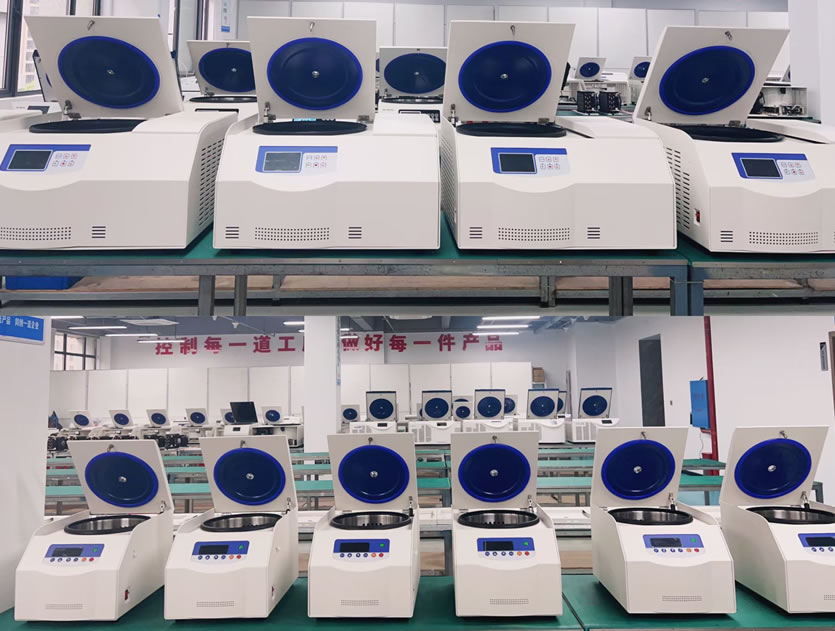
Knowing the wholesale laboratory centrifuges is great, but it can be quite difficult. There are a few good places to look. One methodology of doing so is to approach scientific equipment companies. These suppliers offer models you can compare with one another. Other customers' reviews are helpful, too. With reviews, you can learn about other people's experiences with centrifuges. When you compare, read reviews from other buyers for dependability as well as ratings on how the units work. The other option is to scroll through online marketplaces. There are various online companies that distribute lab equipment, and you'll find a lot of deals on these websites as most options allow you to modify your result. Just make sure to choose retailers with high ratings and good reviews. Hunan Michael Laboratory Instrument also offers centrifuges for sale, and you can purchase first-quality products at a competitive price. 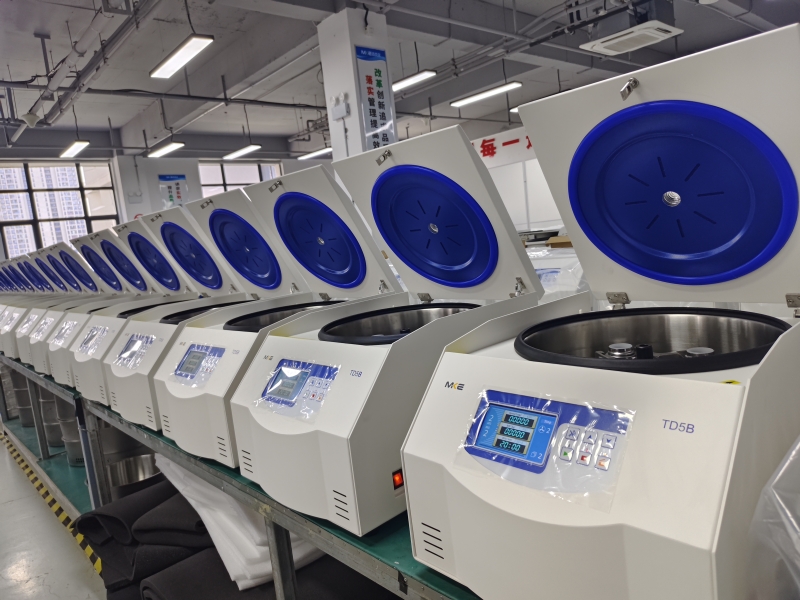 And don't forget trade shows and industry conferences. Proof of such events will certainly display state-of-the-art lab instruments like centrifuges. You can see the machines in action and even chat with reps who can answer all of your questions. You might find special deals or get discounts at these events. Finally, try to connect with other lab workers in online groups or communities. Members frequently provide feedback on their experience and where to purchase their equipment. If you spend the time and look around, you will be able to pick up high-quality wholesale Centrifuge laboratory that work with your research and give you good readings.
How to Choose the Best Centrifuge for Precise Sample Preparation?
The choice of the right centrifuge is necessary depending on your need. While you are looking for a centrifuge, also keep in mind what it will be used for. Some samples don't require the same centrifuge. If you are working with blood samples, for example, you will need a centrifuge that spins very fast. On the other hand, if you're dealing with larger samples (such as soil), then you may need a centrifuge that can handle larger containers. You may also want to consider how much space you have available in your lab. Centrifuges are available in different sizes: some of them are gigantic and space-consuming, whereas others are small and compact. Another typical aspect to take into account is the speed of the centrifuge. Speed is measured in RPM (revolutions per minute). More RPM means the machine is better at splitting samples. Locate a centrifuge that will rotate at the speed you need for your work. Also, think about capacity (how many samples it spins at once). If you are analyzing a lot of samples, you will find it worth the extra upfront cost to get a centrifuge that can handle larger volumes, which could save time. It can also be helpful to look for features that simplify the centrifuging experience. A quality centrifuge will feature easily understandable controls and a readable display. Some centrifuges are also so safe that accidents cannot happen. When you choose Centrifuge Accessories from Hunan Michael Laboratory Instrument as your centrifuge supplier, you can trust that our product was made for introducing inexpensive and long-lasting laboratory supplies. Research and find the centrifuge that is right for you. You will know that your preparation of the sample is correct and reliable.
Why You Need a Laboratory Centrifuge to Prevent Sample Errors?
The lab centrifuge is vital to the success of investigators and researchers wishing to produce accurate results. It does this by rotating samples at high speeds, which separates the different components of a sample from each other based on their weight. This rotation may also be employed to separate liquids from solids, or two different liquids from each other. Good sample separation will also minimize the chance of testing mistakes. Stir in some samples and there can be errors; those errors spread themselves out across the entire experiment. A good centrifuge, like the one Hunan Michael Laboratory Instrument makes, really helps. Faulty inferences can also occur when there is suboptimal separation between samples. This is why it's so crucial to have a good, solid centrifuge. This safeguards that you are dealing with nothing but the cleanest product. A quality centrifuge will help keep you from mishaps that can come with handling situations where the first sample processing doesn't separate quite right. And having a good centrifuge saves you time. The more samples you can process accurately and rapidly, the more time you have for important investigations. This could accelerate discovery and enhance results. In a lab, timing can be everything, and a reliable centrifuge keeps business moving. In the end, the proper centrifuge reduces sample errors, leading to higher-quality experiments and more reliable data. 
Lab Centrifuge Common Problems and Troubleshooting for Better Use
Even the best centrifuges have their downtimes. The ability to deal with these issues will help you get better results. A common problem is when the centrifuge doesn't reach its speed. If that happens, check to see that the centrifuge is actually plugged in and all connections are tight. Sometimes, the problem is as simple to fix as a loose wire. If the problem persists, go to the user manual and follow the troubleshooting instructions. It could be another issue, too. If it makes strange or loud noises, there may be something wrong with the motor or rotor. Test the rotor for balance. Do not combine different sample sizes or weights in the centrifuge; otherwise, abnormal vibration or noise will occur during operation. Always make sure that you have achieved sufficient sample balance before spinning. Lastly, if you notice your samples are not spinning as they should, you may have too much material in the centrifuge. Overloading it would do more harm than good. At all times, follow the sample-loading instructions. Any problem, please feel free to contact Hunan Michael laboratory centrifuge market . They can help you ensure your centrifuge is in good shape. When you figure out how to troubleshoot basic issues, your results will improve and you'll be set in the lab—or with your favorite experiment.
Table of Contents
- Choosing the Ideal Laboratory Centrifuge
- How to Select a Quality Laboratory Centrifuge for Your Sample Preparations?
- Where to Find Reliable Wholesale Laboratory Centrifuges for Accurate Results
- How to Choose the Best Centrifuge for Precise Sample Preparation?
- Why You Need a Laboratory Centrifuge to Prevent Sample Errors?
- Lab Centrifuge Common Problems and Troubleshooting for Better Use
MKE is a manufacturer of centrifuges for laboratory, medical treatment, blood bank, life sciences, research, biotechnology, pharmaceutical, food safety, environment analysis, animal husbandry, and other sectors.