EN
EN
 AR
AR BG
BG HR
HR CS
CS DA
DA NL
NL FI
FI FR
FR DE
DE EL
EL IT
IT JA
JA KO
KO NO
NO PL
PL PT
PT RO
RO RU
RU ES
ES SV
SV CA
CA TL
TL IW
IW ID
ID LV
LV LT
LT SR
SR SK
SK SL
SL VI
VI SQ
SQ HU
HU MT
MT TH
TH TR
TR FA
FA AF
AF MS
MS GA
GA BE
BE AZ
AZ KA
KA MN
MN KK
KK UZ
UZ
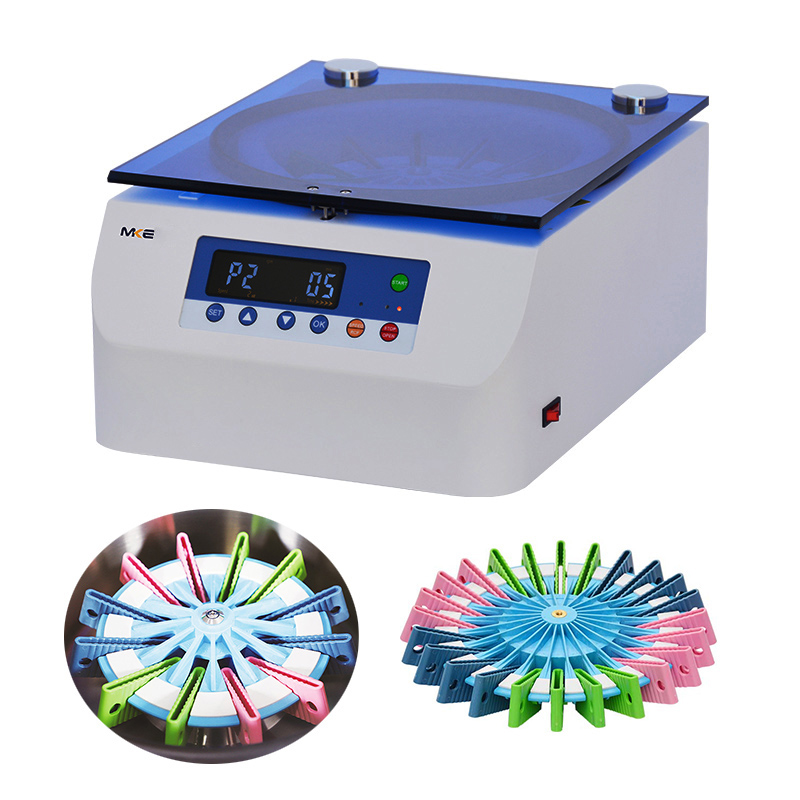
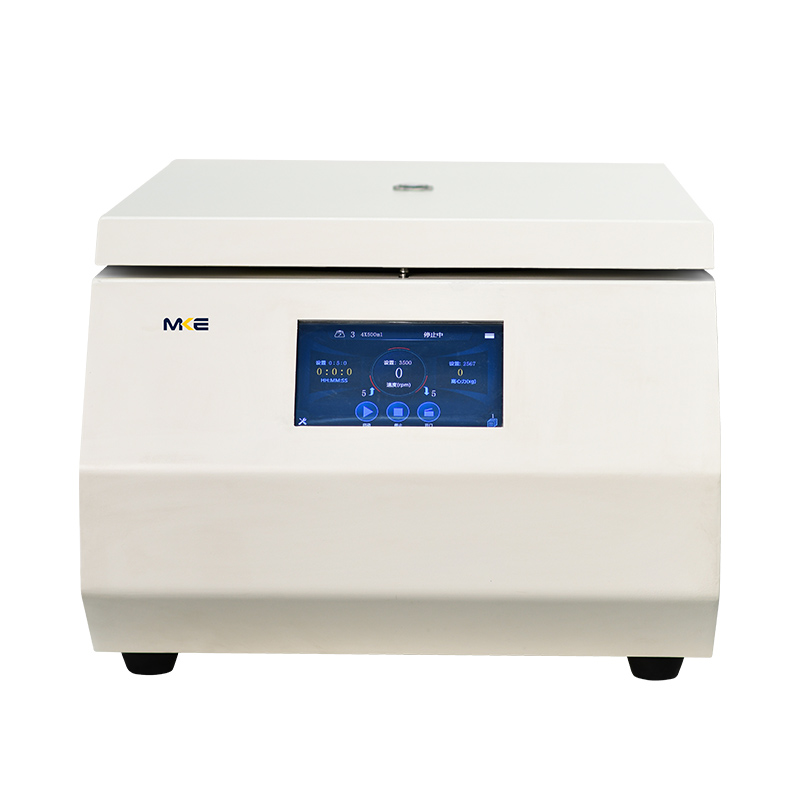
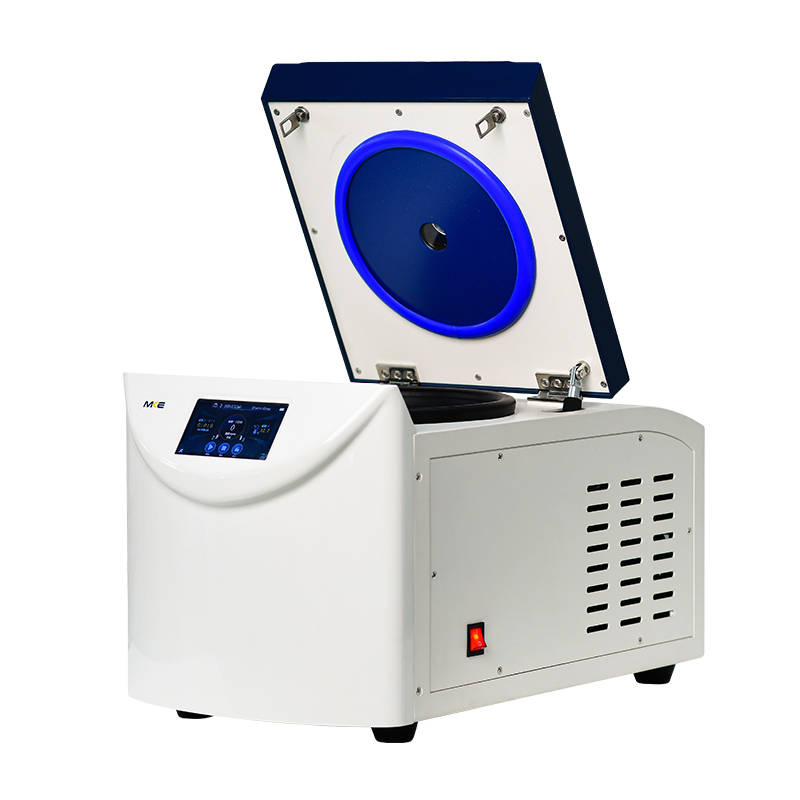
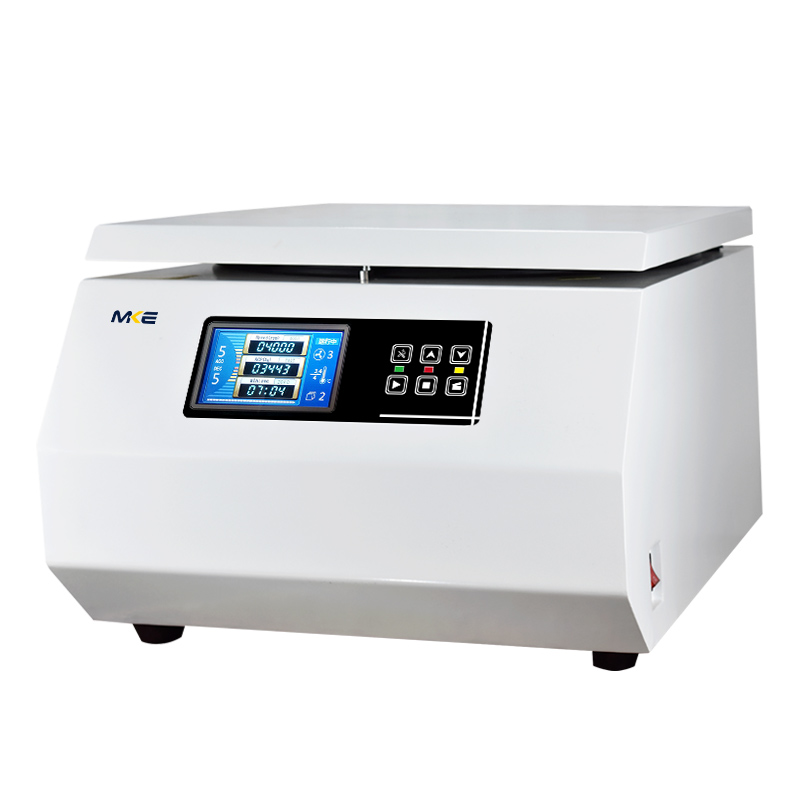
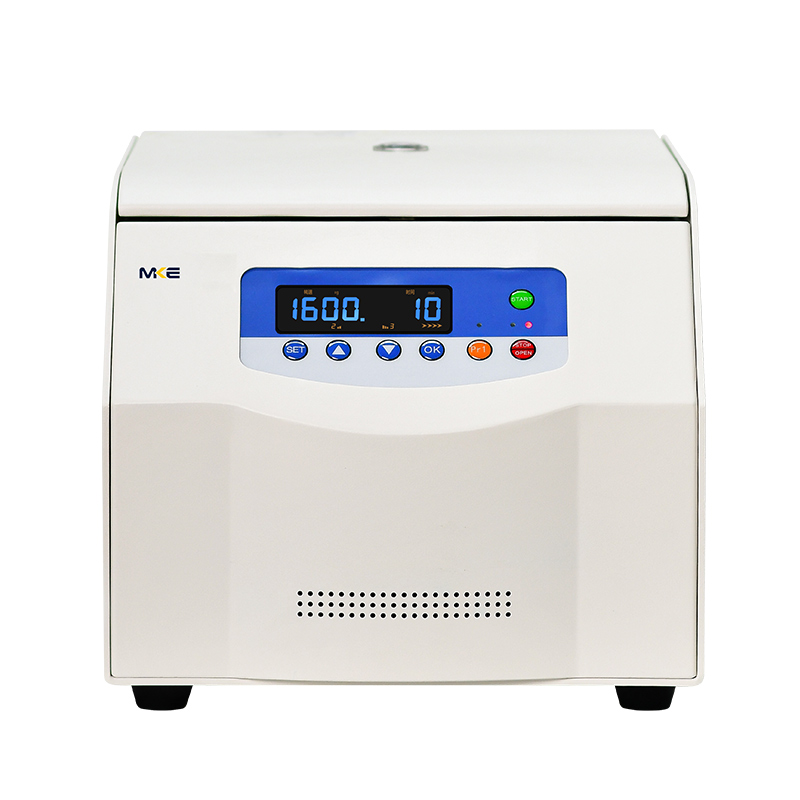
Show centrifuges are essential tools for any laboratory. They spin samples very fast to separate components of a mixture that interfere with each other. When you spin blood in a centrifuge, for example, the denser red blood cells collect at the bottom and the more viscous plasma collects at the top. It is a help for scientists to pick apart all the {heterogeneous} components of blood. … In order for these machines to be safe and in working condition, they have to conform to certain rules, like CE standards and ISO standards. These were produced high-quality Large centrifuges for rules by Hunan Michael Laboratory Instrument. It is desirable that similar equipment which meets those standards be equipped in laboratories, particularly. 
How to use laboratory centrifuge; the guidance includes the laboratory testing follows effective ways of measurement: a.
Common issues in using of laboratory centrifuge In the using process, there are some problems for the laboratory centrifuge. One major problem is that the samples are unbalanced. Suppose the centrifuge has now become a rattler when working with an unbalanced sample, and it may break or shake to pieces. This could be hazardous and cause damage to the machine. Another problem is overloading. Perhaps the centrifuge has been filled too full. To combat this problem, labs may train staff in the correct use of centrifuges. They need to learn how to load and balance the samples, and what is the sweetest spot in terms of maximum load on a machine. Regular maintenance is also important. Operating manuals of Hunan Michael Laboratory Instrument are applied to users of centrifuges. Examining the machine before turning it on can help you catch snags in the process early. Laboratories should also assess the centrifuge performance. If it starts to sound funky or no longer works right, then you may need repairs. Following these procedures can help keep the lab safe and increase the life span of the centrifuge.
Effects of CE and ISO Certifications on Quality of Laboratory Centrifuge
CE, ISO, and other designations are a bit like branding badges that some kind of inspection agency has approved the safety or quality, or whatever level is implied by the standard. The CE mark signifies the centrifuge has met all testing standards for safety within C.E.'s marketplace. It tells us that they produce their products in a good way. The centrifuge should be up to these same specifications, and the Hunan Michael Laboratory Instrument is. That, you can see, because labs have to feel comfortable using it if they were going to add it in the market. The best Micro centrifuges for home use will have such certifications, which ensure it has been tried and tested in terms of safety and performance. This can help labs avoid accidents. It also allows them to accurately analyze their experiments. For instance, if a lab were to use a centrifuge that isn't certified in these ways, they could face issues like the equipment not working properly or test results being off. These days, one is essential to choose a centrifuge with CE and ISO certifications. Labs require high-quality equipment with high standards, and that's where the peace of mind comes into play, right? 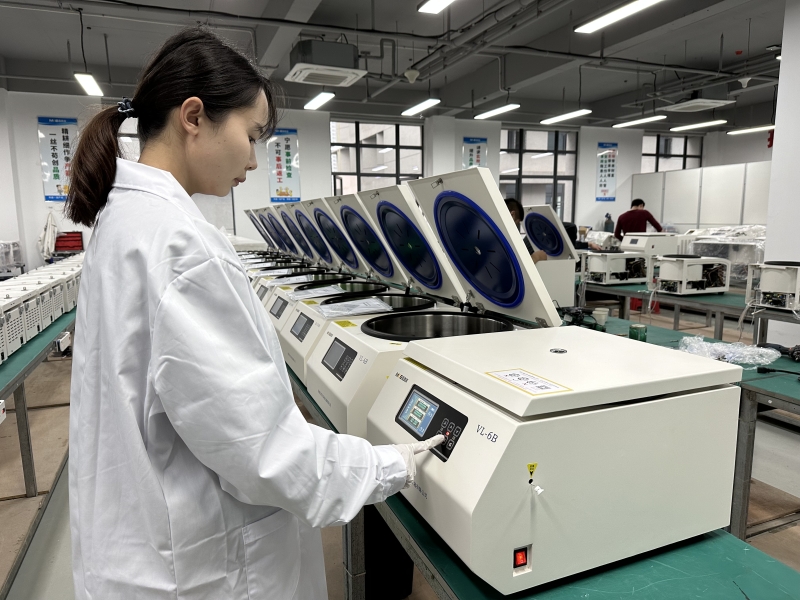 If you take the lab centrifuges buy, then it is important to inquire about CE and ISO standards. CE stands for Conformité Européenne, or European Conformity, in French. It attests that a product complies with European standards for safety and health. ISO stands for “International Organization for Standardization.” This organization does these regulations to make sure not only that the products are safe, but also reliable and of good quality. For wholesalers, this certification may be a way of knowing. If a centrifuge bears a CE mark, it indicates that the device has been tested and found to be safe for repetition of use. This is especially crucial, since centrifuges rotate at a very high speed and are dangerous if they are not made correctly. With the ISO certificate, it shows that there is purity in how the organization does quality management. That means that the centrifuge is constructed in such a manner as to improve upon and fit high quality standards. Hunan Michael Laboratory Instrument promises every one of our centrifuges tested complies with CE and ISO certification. This confidence is what buyers need to believe they are buying a quality product. When you get a centrifuge, look for all these stickers. They make sure that you are getting a reliable, safe machine for your lab. Buyers can prevent things from going wrong at a later date by being alert to such requirements, for example, technical failure or hazards. You can also ask the suppliers about their CE and ISO certifications. That way, you are just that much more sure that what you are buying meets all needed standards. In case you are looking to buy laboratory centrifuges which are CE and ISO compliant, then Hunan Michael Laboratory Instrument is it all for you. They have given a selection of certified centrifuges, so you can ensure that you're not buying just anything. The suppliers of the centrifuges you will be looking for are those who are able to provide quality. For CE and ISO certification details, please browse their sites. Good companies will gladly tout their certifications and be clear about how they do testing. You can also read customer testimonials to see if others have had good experiences with the products. Have the product brought in by a retailer such as Hunan Michael Laboratory Instrument, and you can be sure that their products are secure and compliant with global quality standards. Also, spend a few days at local industry trade shows or lab supply showcases, where you can get your eyes on the centrifugation equipment for those times when you actually go and order some. That way, you can ask them directly about the CE and ISO certifications. And as always, keep in mind: certified equipment is a must in your laboratory for the safety and reliability of your testing.
 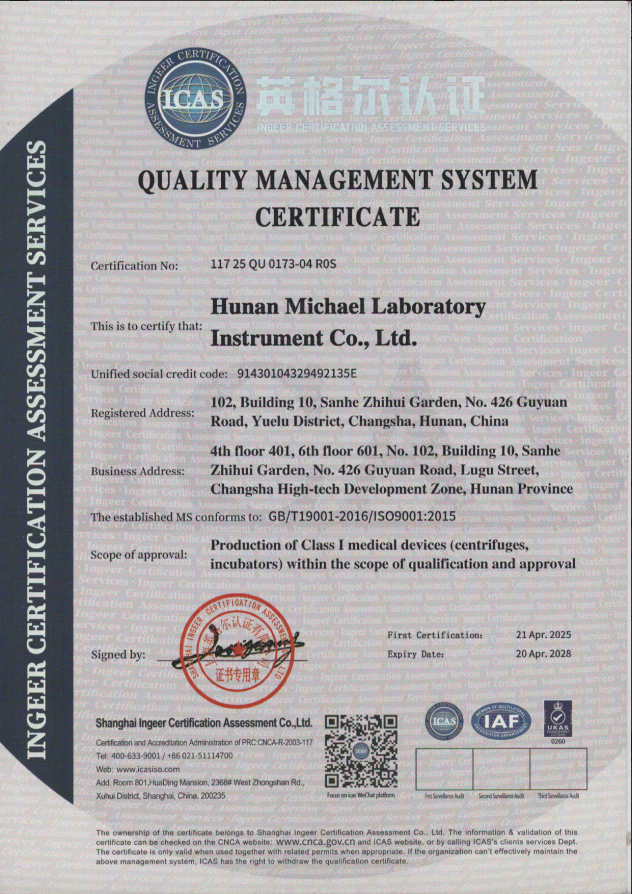 So, there are some blunders that we make while purchasing CE and ISO certified centrifuges. One huge one is not checking the credentials. “Just because something claims to be certified doesn't mean it actually is.” Always ask for proof of certification and make sure the certifications are valid. Another mistake is undervaluing the needs of your laboratory. Different kinds of Medical centrifuges are used for different services. Choose one that fits your experiments well. For example, do you have blood samples that you cannot centrifuge in your bio sample? But if you rush and make that purchase and the centrifuge doesn't really meet your needs, then you may have bang-your-head-against-the-wall experiments on your hands. And don't forget the price too. You may be tempted to reach for the cheapest sound system, but keep this in mind: you get what you pay for. Michael Laboratory Instrument has you covered with price and never compromises on quality for all of our certified centrifuges. Lastly, don't forget to ask for info on the warranty and customer service. In case anything goes wrong with the machine after you buy it, a trustworthy vendor will gladly help. Steering clear of these mistakes will help ensure you buy the right centrifuge, and it will also keep you safe as well as your laboratory.
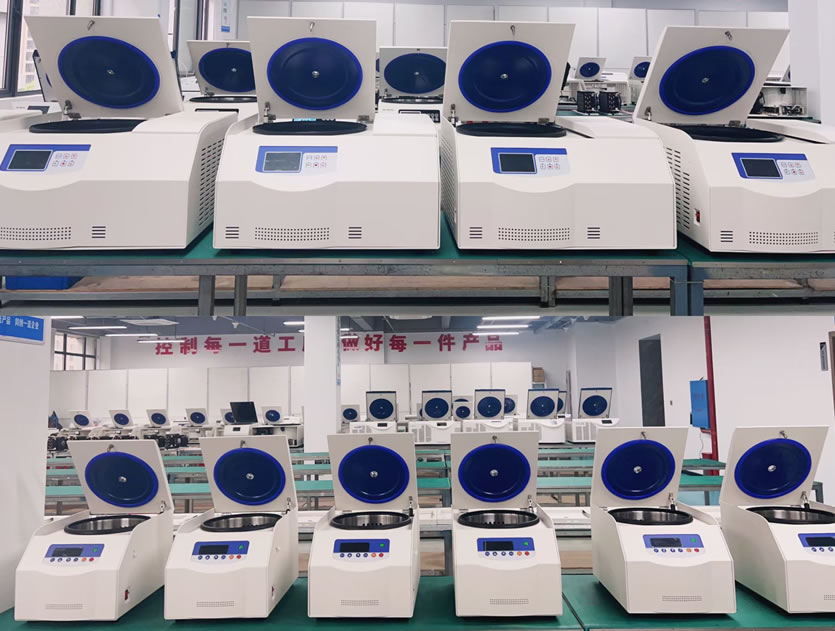
MKE is a manufacturer of centrifuges for laboratory, medical treatment, blood bank, life sciences, research, biotechnology, pharmaceutical, food safety, environment analysis, animal husbandry, and other sectors.