EN
EN
 AR
AR BG
BG HR
HR CS
CS DA
DA NL
NL FI
FI FR
FR DE
DE EL
EL IT
IT JA
JA KO
KO NO
NO PL
PL PT
PT RO
RO RU
RU ES
ES SV
SV CA
CA TL
TL IW
IW ID
ID LV
LV LT
LT SR
SR SK
SK SL
SL VI
VI SQ
SQ HU
HU MT
MT TH
TH TR
TR FA
FA AF
AF MS
MS GA
GA BE
BE AZ
AZ KA
KA MN
MN KK
KK UZ
UZ
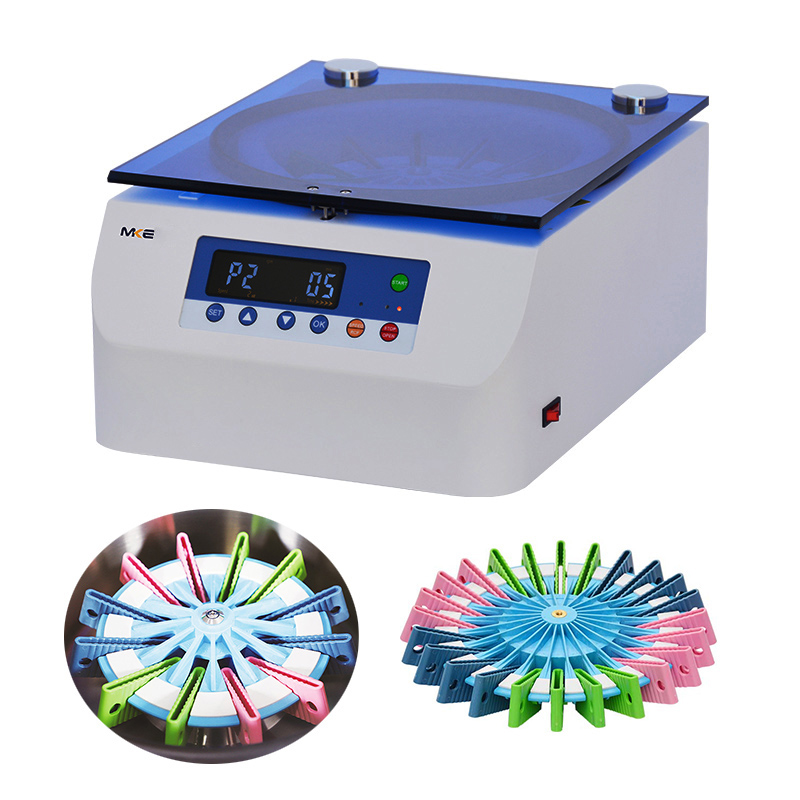
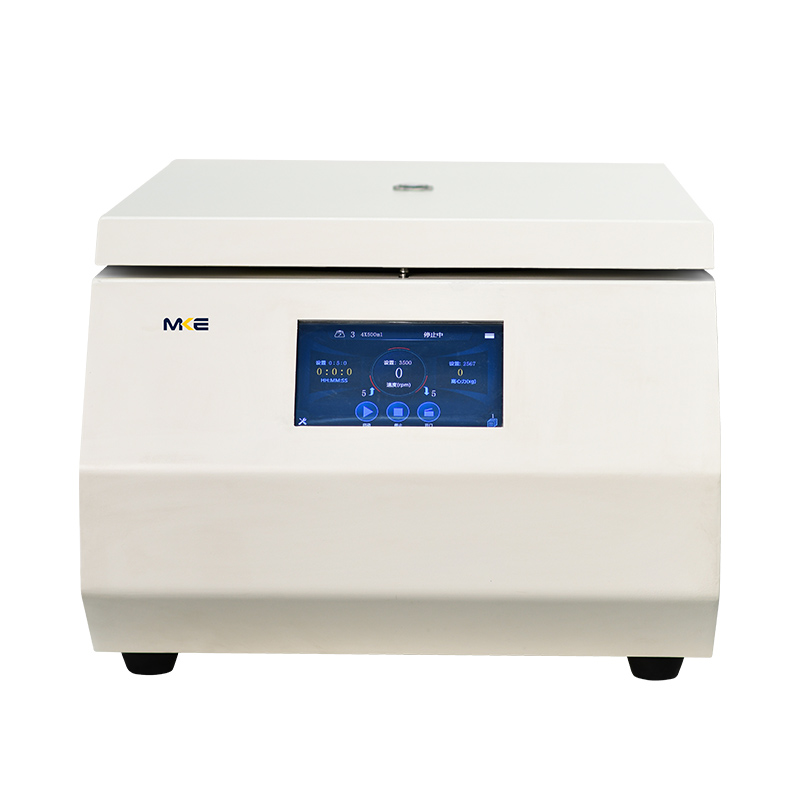
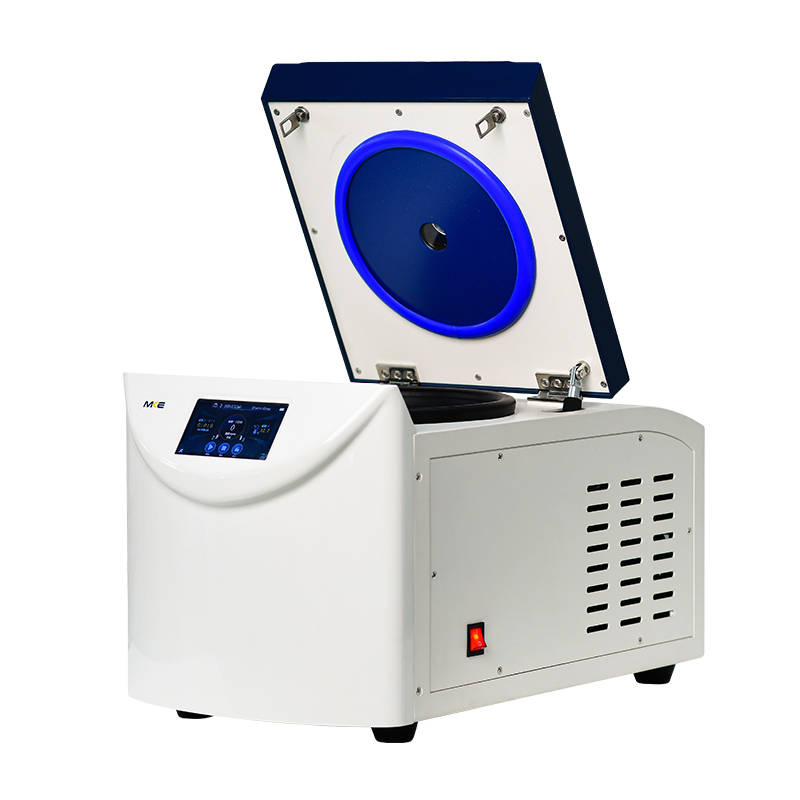
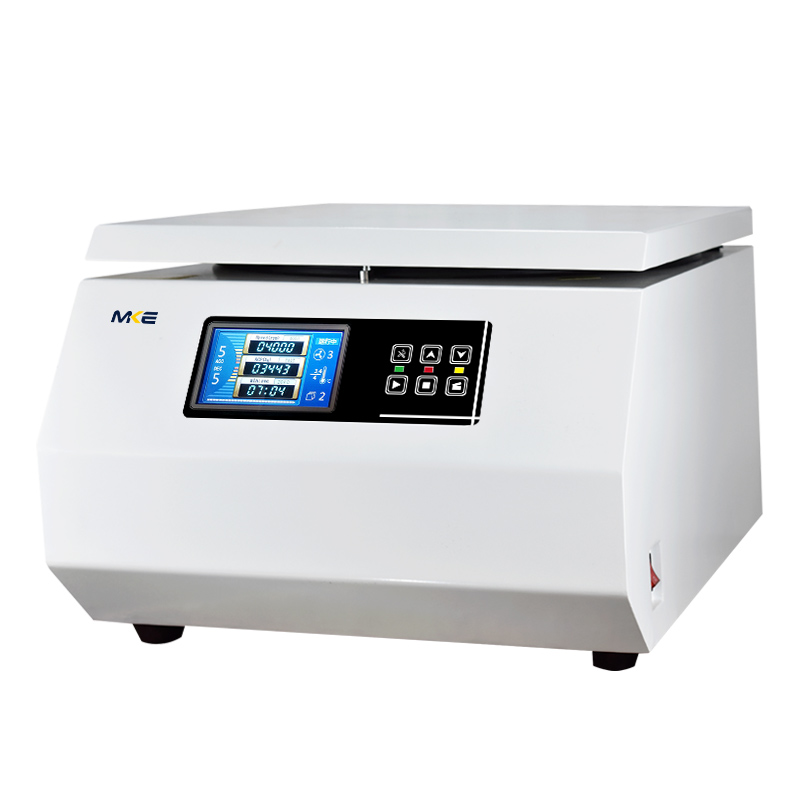
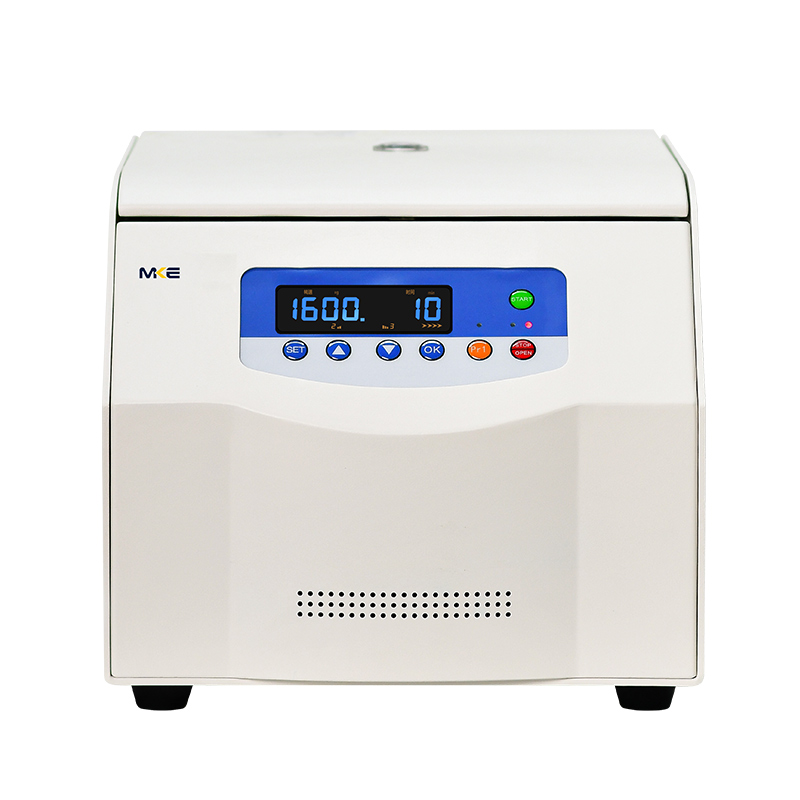
When searching for a lab centrifuge, there are many different types of rotors. The rotor is the work part of your centrifuge, which provides an ultra-high-speed rotating environment. So, the wrong Centrifuge rotor that doesn't really fit either the samples or your centrifuge can be problematic. You might end up with a glop of not-so-well-separated stuff, or you might even ruin your centrifuge or the samples. Your Hunan Michael Laboratory Instrument knows that the choice of your rotor is not a technical detail: it can directly affect each and every work and results in your laboratory. 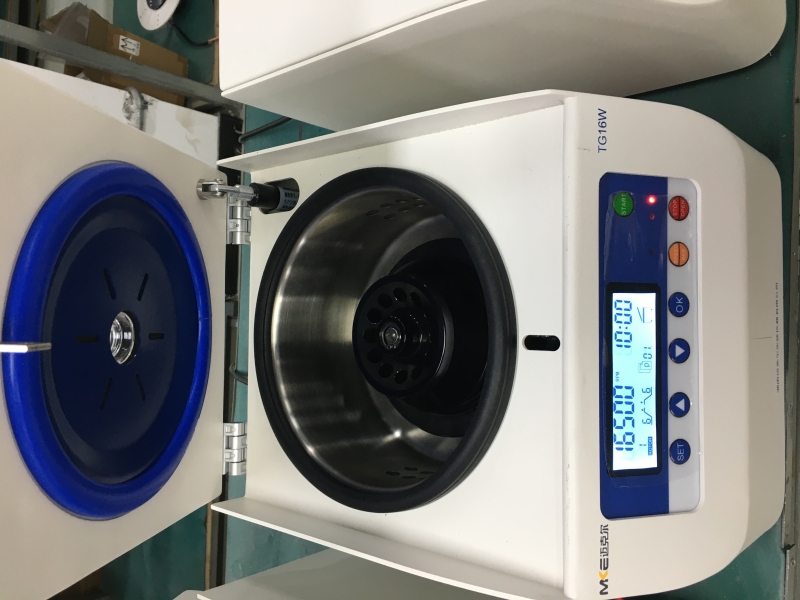
The Effect of Rotor Compatibility on Your Lab Results 8 7.
The proper rotor for your laboratory centrifuge can truly make all the difference in how well your lab will run. Not having an ideal rotor for your centrifuge could cause anything from a failure to separate samples properly all the way up to damage or accidents that may occur. For example, if the rotor spins so fast that it will produce such a powerful force above what we have established for our samples, then you end up breaking tubes with valuable materials. This is time consuming, but can also cause economic damage regarding replacement. If you spin the wrong rotor, it will just be a waste of time (although not physically detrimental) experimentation. That can mean possible duplication of tests, setting back research and delaying the chase for potentially important results. Those delays pile up when you're part of a busy lab and throw off the collective productivity of your colleagues. “If you're sitting there waiting for your results on a centrifuge that's not working, you can't go on to the next phase of your project,” she says. So, having that rotor compatibility is critical to keep your lab moving. The rotors and determining whether they met the requirements of the centrifuge were studied by Hunan Michael Laboratory Instrument, believing that understanding and maintaining the rotors was also helpful for improving the efficiency and reliability in laboratory operation.
Choosing the Ideal Centrifuge Rotor for Your Lab
Who can easily formore… the rotor selection? OUND ab in the laboratory, and is one of the first decisions you have to take. UND abo most important aspects it witch entrifug tion ehendung. The Tech Spec Now that we've gotten all of that out of the way, let's talk about your centrifuge specs first. Determine how quickly you can whirl (and what sorts of samples you'll). If you would like to spin small tubes, then you must additionally order a different rotor. Also, consider the wood from the rotor. Some are made of aluminum, light weight; others are built out of stainless steel, stronger and last longer. Both have their pros and cons, and the kind of samples you're going to work with may vary. It's also worth looking at the rotor design. Fixed-angle rotors hold samples at a single angle, and swinging-bucket rotors allow them to swing out while spinning. One may be better than the other for your experiments. Lastly, don't forget about safety. Be sure the rotor you use is rated to withstand such speeds. Provide us with the rotor model, so you can find a rotor that meets your unit. If you don't know the model, then try to offer the diameter of the rotor, length of the rotor, roller model, and all information rated on your machine label to get a response as soon as possible. What should I do? Please advise other suitable rotors. Give yourself the time you need to make the decision that's best for your lab and ensure your experiments work. It all comes down to efficiency. 
Rotor Compatibility Is Key
It's important to keep in mind the type of rotors that fit when considering purchasing a lab centrifuge. Now, that may sound a bit silly, but overlooking them could cost you some serious cash in the most unnecessary of ways. A centrifuge is a machine that rapidly spins samples such that heavier parts float outward, allowing for separation by weight. The rotor is the part of the centrifuge in which the samples are held while it spins. Improper use of rotor may result in damage to the centrifuge, rotor, and your samples. For example, there are a lot of types and speeds of centrifuges; your rotor might not be built for the speed or type you're using, which would cause it to fail. This can be costly in repairs or even replacement of a centrifuge. And the wrong rotor choice can obliterate your samples. No sample spilling and no cross-mixing. If the rotor is not seated properly at low speed, none of the samples can drop or leak. In other words, you could have been forced to try again with the testing, wasting valuable time and money. Ensuring the rotor that you choose is suitable for your specific centrifuge model is important. When in doubt, follow the manual or perhaps a professional — as always. If you use a rotor compatible, it can actually save all these expensive and time-consuming procedures going down the drain. When purchasing laboratory centrifuge rotors online, you want the best provider. It ensures that you can save some money on excellent quality items. A reliable source of these rotors is Hunan Michael Laboratory Instrument. They provide rotors for all kinds of centrifuges. When you buy from a credible source such as Hunan Michael Laboratory Instrument, you are sure the rotors are high quality and will last for long. And you can often get a great price for purchasing in quantity, which would be ideal for labs that need several rotors. Ordering an incorrect rotor for your centrifuge may result in a costly repair or replacement down the road. So, it makes sense to do a little bit of research before you leap in. Reviewers and compare price here: various sellers. And when you are purchasing from a name who specializes in no less than laboratory equipment, like Hunan Michael Laboratory Instrument, you will be able to get the best centrifuge rotors without having to take out a second mortgage. And, remember that the correct rotor for the right price can actually save you money in your lab over time. To ensure quality and durability as well as decades of service, it is imperative to know the rotors compatible with your lab equipment. This means knowing what rotors fit your centrifuge and the specs on them. There are various rotors, with specific design, physical size, and velocity rating for each of them. A few of the reasons all rotors exist in the marketplace today are fixed-angle and swing-bucket. The sample is placed at a constant angle in fixed-angle rotors , but swings out to the horizontal in swing-bucket, swings to position sample horizontally. The rotor type. The first thing to know is the kind of rotor you need. And the rotors all have a load limit. On warning, it is possible to destroy rotors by letting them spin too fast, so make sure you check the speed limits. You should also think about the size and type of tubes or containers you are planning to work with when using the rotor. Some rotors are designed only for particular types of tubes, and if you use the wrong ones, spills or damage can occur. Check the descriptions of compact disk rotors sold by Hunan Michael Laboratory Instrument. Having this information at your disposal can help you make an educated decision when buying parts that you'll have to rely on later down the line. Ensure you have designed your experiments to provide the best yields. Save time and money with a centrifuge that uses high-capacity rotors.
MKE is a manufacturer of centrifuges for laboratory, medical treatment, blood bank, life sciences, research, biotechnology, pharmaceutical, food safety, environment analysis, animal husbandry, and other sectors.